
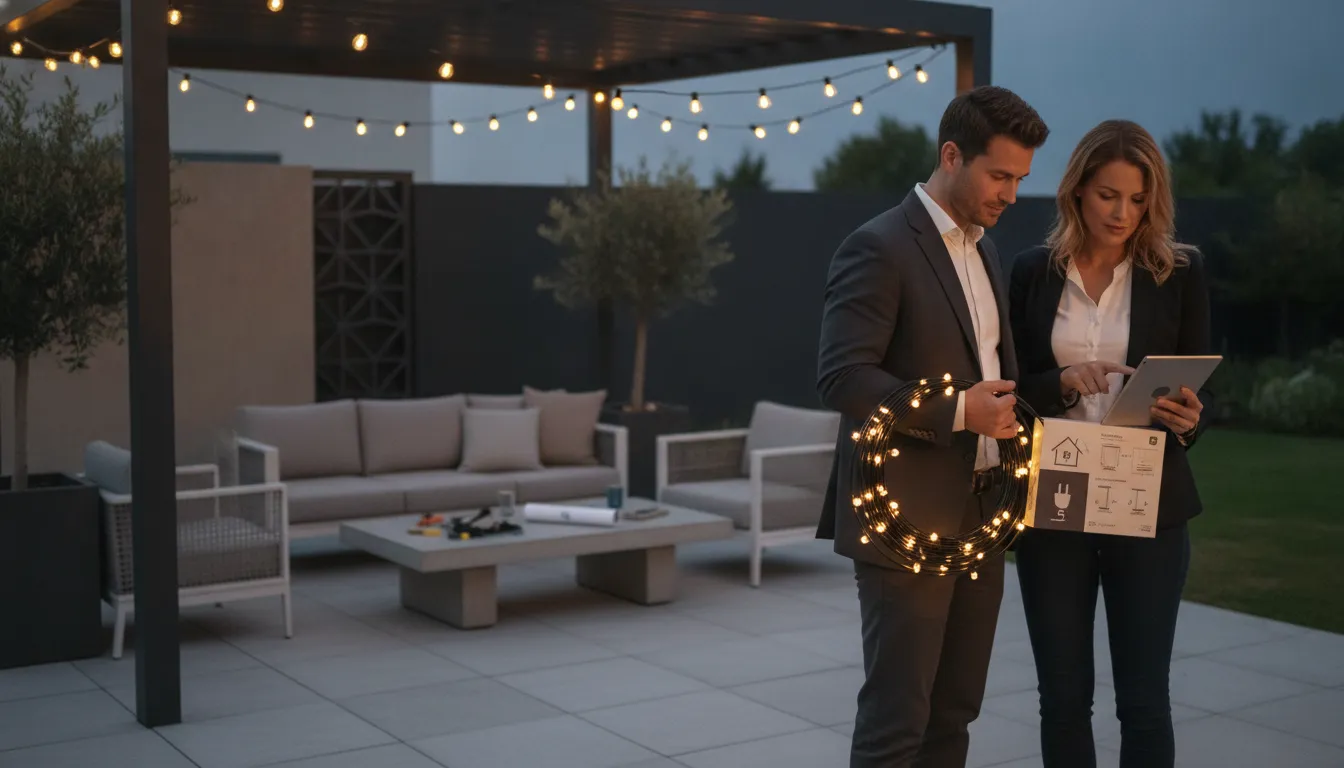
From a small accent on a covered porch to overhead lighting across a busy patio, string lights can suit many homes and businesses. The challenge is finding a style that delivers the look you want without overlooking practical details. Think about how bright the space needs to be, where outlets are available, and whether the lights will face rain or direct sun. For longer spans, you’ll also need a secure support plan that keeps weight off the electrical cord. These choices matter for Oregon properties, where changing weather can put outdoor installations to the test. This guide covers what to consider, from bulb styles and power sources to installation and upkeep.
Key Takeaways
- Choose string lights for how you use the space: Small fairy lights add subtle accents, while bistro or globe styles suit patios, outdoor dining, and commercial gathering areas.
- Check product details before buying: Confirm outdoor suitability, power source, brightness, connection limits, mounting needs, and warranty coverage.
- Plan installation and upkeep carefully: Measure the route, keep cords clear of walkways, support long spans with a guide wire, and inspect lights regularly, especially after rough weather.
What String Lights Can You Choose?
String lights come in styles for everything from a soft decorative accent to a bright, welcoming patio. The right choice depends on where you’ll use them, how much light you need, and whether you want a flexible setup or lighting that stays in place year-round. Start with the feel you want: a subtle glow for a small nook, warm light over an outdoor dining area, or colors you can change for different occasions.
Then consider the practical details. Check whether a strand is rated for indoor or outdoor use, how it’s powered, and whether you can connect it to other strands. For outdoor lighting in Oregon, account for rain, wind, and seasonal changes. Choose products designed for the conditions where you plan to install them, and follow the manufacturer’s guidance for mounting and use.
Finally, think about how the lights will work with your home, business, or landscape. Fairy lights can add a delicate accent, while larger bulbs can help define a patio or gathering space. If you want lighting that remains in place without seasonal setup and storage, a permanent outdoor system may be worth considering. These options can help you find a style that fits your space and routine.
Use fairy and micro lights for subtle indoor accents
Fairy and micro lights use small bulbs on thin, flexible wire, making them useful when you want a gentle accent rather than bright, general lighting. Try weaving them through a centerpiece, placing them in a glass vessel, or outlining a shelf or headboard. Their delicate profile can blend into a display without drawing attention to the cord.
These strands work best as a decorative layer, not as the main light source for a room. Before choosing one, check how it’s powered. Battery-powered lights are easy to place where there’s no outlet, while plug-in options make sense for displays you plan to leave up. Explore fairy and twinkle light styles to compare designs for indoor accents.
Choose bistro, globe, or Edison-style lights for patios and commercial spaces
Bistro, globe, and Edison-style string lights use larger bulbs that make a noticeable design feature over a patio, pergola, deck, or outdoor dining area. They can help define a seating space and create a warm atmosphere at home. Restaurants and other businesses can use them to make outdoor entrances and dining areas feel welcoming.
The bulb shape, spacing, and brightness all affect the final look. Globe bulbs have a rounded profile, while Edison-style bulbs often have a vintage-inspired appearance. Check the product specifications to see how much light the strand provides, especially if guests will eat or work beneath it. Decorative strands may not replace dedicated task or security lighting. Compare cafe and Edison-style string lights to find a look suited to your setting.
Use smart RGB lights to adjust colors and effects
Smart RGB string lights let you change colors and, depending on the model, adjust brightness or choose lighting effects through an app, remote, or voice assistant. They’re a flexible option for patios and gathering areas where you might prefer a steady glow for everyday use and a different look for a party or event. Some models also allow you to schedule when the lights turn on and off.
Check the product requirements before buying. Some lights connect directly to a phone, while others need a hub or compatible smart-home system. Confirm that the strand is rated for the location where you’ll install it, since smart controls don’t automatically make a product suitable for outdoor use. Think about which features you’ll actually use, too. If you only need consistent, warm light, a straightforward strand may be easier to manage.
Compare solar, battery-powered, and plug-in lights
The power source affects where you can install string lights and how much attention they need. Solar-powered strands can work well in gardens, along fences, or beside pathways where an outlet is difficult to reach. Their performance depends on sunlight, so consider where the solar panel will sit and review the manufacturer’s expected run time after charging.
Battery-powered lights offer flexible placement for small displays and temporary setups, but batteries need recharging or replacing. Plug-in strands provide a steady power supply and suit areas near an outdoor outlet. Plan the cord route so it won’t cross a walkway or create a tripping hazard. If you need an extension cord, use one rated for the setting and follow the product instructions. For every power type, check that the lights are approved for indoor or outdoor use where you plan to install them.
Compare LED and incandescent bulbs for brightness, energy use, and lifespan
LEDs and incandescent bulbs differ in energy use, lifespan, and appearance. LEDs generally use less electricity and last longer than traditional incandescent bulbs, making them a practical choice for lights you use frequently or keep installed for extended periods. They come in different brightness levels and color temperatures, so review the specifications to find a glow that suits your space.
Some people prefer the familiar, warm look of incandescent bulbs, but they typically use more energy and need replacing more often. Compare brightness, replacement bulb availability, and the stated lifespan when choosing between types. The U.S. Department of Energy’s LED lighting guide explains how LEDs compare with traditional bulbs. For outdoor installations, check the product’s weather suitability and construction as well as its bulb type.
Choose temporary strands or permanent outdoor lighting
Temporary string lights are a flexible choice for parties, seasonal displays, or areas where you may want to change the layout. They can also work well if you prefer to put lights away between uses. Choose secure attachment points and follow the manufacturer’s recommendations for installation, removal, and storage, particularly when the lights may face harsh weather.
Permanent outdoor lighting stays in place and can provide consistent illumination or decorative accents throughout the year. It may suit rooflines, architectural details, patios, or commercial properties where putting up and taking down temporary strands would be inconvenient. Permanent systems need careful planning for placement, wiring, and controls. If you’re considering a long-term setup, an outdoor lighting professional can assess the property and recommend an approach that fits the space and local conditions.
How Do You Choose String Lights for Your Space?
Choose string lights based on how you use the area, the look you want, and the conditions they’ll face. Before shopping, measure the space, plan a route, and check where power and mounting points are available. These steps help you select lights that suit your property and stay practical through everyday use and changing weather.
Match lights to your home, business, or landscape
Start by thinking about what the lights need to do. Bistro-style bulbs can add a welcoming glow above a patio or outdoor dining area, while smaller fairy lights can accent railings, pergolas, or architectural details. In a landscape, consider how the lights will complement trees, garden beds, and pathways without drawing attention away from the rest of the space.
For a business, account for how customers and staff use the area. Lights above a café patio should feel comfortable for dining, while an entrance may need clearer visibility. Choose a style that fits the building, too. Browsing different string light styles can help you compare delicate accents with larger bulbs made for patios and outdoor dining.
Measure the area and sketch a layout
Measure the distance between planned attachment points and sketch the route the lights will take. Mark outlets, doors, walkways, and seating areas so you can spot potential cord crossings or places where lights might hang too low. Decide whether a straight line, zigzag, or perimeter layout best suits the space, then use your measurements to estimate strand length.
Allow extra length for turns and attachment points, but don’t use the light cord to carry the weight of a long span. A properly installed guide wire can support the strand and reduce cord strain. For long spans across an open patio or yard, World Market’s string light advice recommends using a steel guide wire. Follow the light manufacturer’s instructions when selecting supports and connecting strands.
Choose bulb shape, spacing, brightness, and color temperature
Bulb shape and spacing affect the overall look. Larger globe or Edison-style bulbs make a noticeable feature above patios, decks, and commercial seating areas. Tiny micro-lights create a more subtle effect, while wider bulb spacing can keep a layout feeling simple. Consider how the strand will look in daylight as well as after dark.
Then think about brightness and color temperature. Warm white light often suits dining and gathering areas, while brighter light may be more useful where people need to see details clearly. Check the product’s brightness information and, if possible, view a sample before buying enough for a large space. Dimmable or smart lights offer more control, making it easier to adjust the setting for a quiet evening, a busy patio, or a special event.
Plan for outlets, sunlight, and power access
Choose a power source before you settle on a layout. Plug-in lights need an appropriate outlet within reach, and cords should not cross walkways or get pinched in doors. Use only outdoor-rated extension cords when the manufacturer permits them, and follow instructions for connection limits and strand length.
Solar lights can work well where the panel receives enough direct sunlight, but trees, roof overhangs, and shaded patios can affect charging. Check the product’s placement guidance and expected run time before relying on solar power. Battery-powered lights are another option for small or temporary displays, though they need recharging or battery replacement. If your plan involves a permanent installation, multiple power sources, or a complicated route, ask a lighting professional to assess the space and recommend a suitable setup.
Account for rain, wind, sun, and seasonal use
Check the product label and manufacturer’s instructions to confirm that the lights are suitable for their intended location. Outdoor use does not always mean a strand can withstand direct exposure to rain. Look for the appropriate weather-resistance rating and safety certification, such as UL or ETL listing. You can learn what a UL listing indicates before choosing a product.
Consider how wind, sun, and seasonal changes may affect the installation. Attach strands to secure mounting points, keep cords away from sharp edges, and avoid areas where branches could rub against them. If you’ll take the lights down after an event or season, choose a layout that’s easy to remove and store dry. For year-round use, select products and hardware made for continued outdoor exposure, and inspect the setup regularly for wear or damage.
Which String Light Features Matter?
The right string lights should suit your space, hold up to local weather, and work with your setup. Before you buy, look beyond the bulb style and compare product ratings, strand limits, mounting needs, controls, and replacement options. These details can affect both how the lights perform and how much work they take to maintain.
Check indoor/outdoor ratings and safety certifications
Check the product label and manual to confirm where the lights can be used. Indoor-only strands aren’t built for outdoor conditions, and outdoor-rated lights may still have limits on exposure to rain or standing water. Look for clear guidance on damp or wet locations, then follow the manufacturer’s installation instructions.
Safety marks such as UL or ETL show that a product has been tested to applicable safety standards. They don’t mean every installation is safe, so check that the rating matches your setup. You can compare string light options and review each product’s specific details. For a permanent installation or a commercial property, ask a qualified lighting professional to confirm that the lights and wiring suit the site.
Compare weather resistance, energy use, and bulb life
Consider the weather your lights will face, including rain, wind, and direct sun. Check the product’s water-resistance rating and what it covers. An IP rating describes protection against dust and water, but it doesn’t guarantee that a strand is suitable for every outdoor location. Follow the manufacturer’s advice on exposure and seasonal storage.
Compare energy use and expected bulb life, too. LEDs generally use less electricity and last longer than incandescent bulbs, which can make them a practical choice for lights you use often. Treat lifespan estimates as guidelines, since actual performance depends on usage and conditions. A review of Govee outdoor lights discusses the brand’s stated waterproof rating and service life. Check the current specifications for the exact model you’re considering.
Check strand length, connection limits, and mounting hardware
Measure the full route before choosing a strand. The listed length, bulb spacing, and distance to an outlet all affect how many lights you’ll need. Check how many strands the manufacturer allows you to connect, and don’t exceed that limit.
Plan how you’ll attach the lights, too. Choose clips, hooks, or anchors that suit the mounting surface, whether it’s wood, masonry, or a pergola. For a long span across an open area, a steel guide wire can support the lights and help prevent the electrical cord from stretching or snapping in wind. Don’t use the cord as the primary support. Review the string light selection for features to compare, then confirm mounting instructions and connection limits in the product manual.
Choose dimmers, timers, and smart controls
Controls can help you adjust lights for daily use, gatherings, or seasonal displays. A dimmer lets you set the brightness, while a timer can turn lights on and off at scheduled times. Smart models may add app controls, color options, and preset scenes. Think about which features you’ll use before paying extra for effects such as music-reactive lighting.
Check whether controls come with the strand or require a separate dimmer, smart plug, or hub. Confirm that each component is compatible with your lights and rated for the location where it will be used. A Govee outdoor light review shows examples of app-based controls and preset effects. For a simple patio setup, a basic timer may be all you need.
Check warranties, replacement bulbs, and brand support
Read the warranty terms before you order. Check how long coverage lasts, which parts it includes, and whether outdoor use affects eligibility. If a bulb fails, replacement options can help you avoid replacing the entire strand. Confirm that replacement bulbs match the original size, base, brightness, and color temperature.
It’s also useful to know how the manufacturer handles troubleshooting and replacement requests, especially if you’re installing lights in a hard-to-reach spot. Save the receipt, product details, and installation instructions for future reference. If the product listing doesn’t explain warranty coverage or replacement parts, contact the brand before buying. Clear support can make maintenance simpler and help you compare the long-term value of different options.
How Can You Compare String Lights and Find Value?
A low price can look appealing, but it doesn’t tell you how well a strand will suit your space or how long it may last. Compare safety ratings, product details, included hardware, warranty coverage, and installation costs before you buy. The right choice is the one that fits your layout and conditions without requiring frequent replacements or extra purchases you hadn’t planned for.
Compare specifications and manufacturer support
Start with the product details. Check the strand length, bulb spacing, plug type, connection limits, and whether the lights are rated for indoor or outdoor use. For outdoor installations, look for a recognized safety certification, such as UL or ETL, and confirm that the product rating suits its intended location. You can review what UL’s certification marks indicate, then check the product’s own label and instructions.
Consider support as well as specifications. Does the manufacturer provide clear installation guidance? Can you order replacement bulbs or parts? Is customer service easy to reach? Retailers like World Market carry a variety of string lights, but check each product’s details rather than assuming every strand is designed for outdoor conditions.
Read reviews for feedback on brightness, durability, and setup
Reviews can help you understand how lights perform after installation. Look for recurring comments about brightness, color, bulb durability, and how the strand handles wind or rain. Details about setup are useful, too. Customers may mention whether the mounting clips work well, whether bulbs are easy to replace, or whether the cord is difficult to position.
Give more weight to patterns across multiple reviews than to one unusually positive or negative comment. Check when the review was posted, since product designs and included hardware can change. Video reviews can also help you see how lights look in a real setting. This Govee outdoor string light review shows the product during setup and use, which can help you compare its appearance with your plans.
Compare total costs, including accessories and installation
Add up the cost of everything the project requires, not just the lights. Depending on your layout, you may need extra strands, replacement bulbs, timers, dimmers, extension cords, mounting hardware, or a separate support wire. For long spans, a guide wire can help support the lights and reduce strain on the electrical cord, especially in exposed or windy areas.
Include installation in your budget if the layout involves high attachment points, multiple zones, or permanent placement. A straightforward patio setup may be manageable on your own, while a larger residential or commercial space may require professional help. When comparing quotes, make sure each one covers the same work, materials, and equipment. An itemized estimate makes it easier to spot missing costs and compare the full value of each option.
Check return policies, shipping fees, and warranty terms
Before ordering, review the return window, shipping fees, and warranty details. Check whether the seller accepts returns after the packaging has been opened or the lights have been installed, and whether you’ll need to pay for return shipping. Read what the warranty covers, including bulbs, wiring, and other components, and note any conditions that could limit coverage.
Confirm that the product listing answers practical questions about strand length, plug type, outdoor rating, and how many strands can connect. If details are missing, contact the seller or manufacturer before you buy. Save your receipt and product information in case you need to request support or replacement parts. A low listed price may not be worthwhile if returning the lights is difficult or the warranty offers limited help.
Find deals without sacrificing safety or quality
A sale can be a good opportunity to buy, as long as the product still meets your needs. Check that outdoor lights are clearly labeled for outdoor use, then review the manufacturer’s instructions for weather exposure and installation. Compare the safety certification, materials, bulb type, warranty, and included hardware with similar products. A discount matters less if the strand lacks key information or requires costly add-ons.
Be cautious of listings that make broad claims without explaining the product’s ratings or limits. Consider the conditions where the lights will hang, including rain, sun, and wind, and choose products and mounting hardware suited to that setting. For year-round use, prioritize durable construction and clear manufacturer support. Buying well-matched lights can help you avoid premature damage and repeat replacement costs.
Hire a professional for complex or permanent layouts
Professional installation is worth considering when lights need to span a large area, attach to a roofline or mature trees, serve a busy commercial patio, or stay up year-round. A lighting professional can help plan attachment points, choose suitable support hardware, and route power for the layout. They can also coordinate string lights with landscape or permanent outdoor lighting so the different fixtures work together.
Ask for an itemized estimate that separates the lights, materials, and labor. Confirm whether the estimate includes installation, adjustments, and ongoing maintenance. You can browse examples of professional string light installations to see the kinds of projects providers may handle, then check local experience and references before hiring. For an Oregon property, ask how the installer plans for seasonal rain and wind.
Where Can You Use String Lights?
String lights can help define a gathering spot, add a soft accent indoors, or make a business entrance more welcoming. The best placement depends on how people use the space, the look you want, and whether the lights will be exposed to rain, wind, and sun. For outdoor installations in Oregon, check the product’s location rating and plan for local weather before you hang a strand.
Add ambiance to patios, pergolas, decks, and dining areas
String lights make patios, pergolas, decks, and outdoor dining areas feel inviting after sunset. Hang them overhead to create a canopy, or attach them to pergola beams to draw attention to the structure. On a deck, a strand can define a dining or seating area without using valuable floor space.
Warm-white bulbs create a relaxed feel for everyday evenings and outdoor meals. Before installing, check headroom and keep strands clear of walkways, doors, and places where people sit. Choose lights rated for outdoor use, and make sure your supports can handle the installation. Browse different string light styles to compare bulb shapes and designs for your space.
Use fairy lights for indoor accents and architectural details
Fairy lights have small bulbs on a fine wire, which makes them useful for delicate indoor accents. Drape them around a headboard, arrange them in a glass jar, or weave them through a shelf display. Their subtle appearance adds a point of light without taking over the room.
You can also use fairy lights to draw attention to details such as a window frame or built-in shelving. Keep cords tidy and make sure they don’t interfere with doors, windows, or other everyday features. Look for fairy light styles in lengths and finishes that suit your display. Follow the manufacturer’s instructions for placement and power, and use indoor-rated products inside.
Layer bistro lights with landscape or permanent outdoor lighting
Bistro lights bring a classic look to patios, decks, and outdoor dining areas. Layer them with landscape lighting to create a more complete plan: overhead strands add a gentle glow where people gather, while lights near the ground can highlight pathways, trees, and garden beds.
For a balanced effect, decide which areas should stand out and avoid making every part of the yard equally bright. Bistro lights can suit a temporary gathering or form part of a longer-term outdoor lighting design. If you’re planning a permanent layout, consider how the strands will be supported, powered, and maintained. A professional can help coordinate bistro lights with landscape or permanent outdoor lighting so the placement works with the space.
Light commercial entrances, patios, and gathering areas
Restaurants, cafés, event venues, and other businesses can use string lights to make entrances and outdoor gathering areas more welcoming. Lights near an entrance can help guests identify the way in, while strands above a patio can create a comfortable setting for dining or events. Choose a style that suits your business and provides appropriate light for the space.
Commercial installations may cover a larger area and see more frequent use than residential setups. Plan how strands will be secured, protected from weather, and accessed for maintenance. Some businesses use string lights for special events; others include them in a permanent exterior design. Examples of commercial string light installations show how they can be used around entrances, patios, and shared spaces.
Adjust brightness and controls for daily use, events, or seasonal displays
Dimmers, timers, and smart controls make it easier to adjust string lights for different occasions. Set a softer brightness for a quiet evening, change the setting for a gathering, or use color effects for a seasonal display. Some smart RGB strands let you adjust both color and brightness, while simpler options may offer only an on-and-off setting.
Before choosing smart features, check how the controls work and whether they’re suitable for the installation location. Keep indoor control units protected from outdoor conditions, and check that Wi-Fi reaches the area if the system depends on a wireless connection. Compare smart string light options with the features you’ll use, and confirm each product’s ratings and instructions before installation.
How Do You Install String Lights Safely?
A safe installation starts with a little planning. Before you hang the lights, map the route, measure the spans, choose sturdy attachment points, and identify an appropriate power source. Check the product instructions, too. They’ll tell you whether the strand is suitable for outdoor use, how many strands you can connect, and what hardware or supports the manufacturer recommends.
Consider how the space is used throughout the year. Oregon weather can bring rain and wind, so an uncovered patio may need different equipment from a sheltered porch. Keep cords out of walkways, protect connections from moisture, and make sure the lights won’t strain their supports. For a business, check the route from the perspective of customers and staff, including anyone using a mobility aid.
A small, temporary setup may be manageable on your own if you can follow the instructions and reach the mounting points safely. Permanent installations, long spans, elevated locations, or layouts that require electrical work deserve extra care. If you’re uncertain about the power source, mounting surface, or product rating, ask a qualified lighting professional to review the plan before installation.
Plan the route, power source, and attachment points
Sketch the route before you hang anything. Measure each span, mark where the lights will attach, and note the location of a suitable outlet. This helps you choose a strand that fits without pulling the cord tight or relying on an extension cord that may not be appropriate for outdoor use.
Think about how people move through the area. On a patio, account for doors, seating, and paths to the yard. At a business, keep entrances and customer routes clear. Plan for a gentle, even drape, and check that each attachment point can support the installation. For long spans, include a separate support wire in your plan. Keep the plug easy to reach so you can switch off the lights and inspect the connection.
Choose hardware for the mounting surface
Choose fasteners to suit the surface and the weight of the lights. Wood, masonry, metal, and vinyl siding each call for different hardware. Use sturdy hooks or eye screws where appropriate for wood, and masonry anchors made for brick or concrete. Don’t assume gutters, loose trim, or decorative features can safely support a strand.
Follow the light manufacturer’s mounting instructions, and avoid driving nails or screws through a cord. Staples can puncture the insulation, so don’t use them to hold wires in place. If you’re attaching lights to a commercial building, consider how wind and regular use may affect the hardware over time. Unsure whether a surface is strong enough? Ask a contractor or lighting professional before drilling.
Use a guide wire on long spans to prevent sagging and cord strain
For a long span between a house, posts, or trees, use a separate guide wire to support the lights. The electrical cord should carry power, not the weight of the installation. A properly secured wire can help limit sagging and reduce the pull on sockets and plugs when the strand moves in the wind.
Choose outdoor-rated wire and compatible attachment hardware, then fasten the lights with clips or ties recommended for the product. Don’t overtighten the wire or attach it to a weak surface. Leave enough clearance for people, vehicles, and branches, and allow for movement in windy conditions. The World Market string light guide also recommends a guide wire for longer spans to help prevent strain on the light cord.
Keep cords clear of walkways, doors, sharp edges, and heat
Route cords where people won’t trip over them or catch them with a door. Avoid running them across stairs, paths, driveways, or places where outdoor furniture gets moved. Don’t tuck cords under rugs or leave them in spots where water can collect. If a cord would cross a busy route, adjust the layout rather than creating a trip hazard.
Keep wires away from sharp edges, hot surfaces, grills, and other heat sources that could damage the insulation. Check that windows and doors won’t pinch the cord when opened or closed. For a business, walk through the area as a customer would and check that the setup leaves clear access to entrances and seating. A well-planned route makes the lights safer and easier to maintain.
Protect outdoor plugs and connections from moisture
Rain, sprinklers, and standing water can put outdoor electrical connections at risk. Use weatherproof covers or enclosures designed for the specific connection, and install them according to the product instructions. When possible, keep plugs raised off the ground and away from puddles, planting beds, and roof drainage.
Check that plugs and sockets are clean and dry before connecting the lights. Avoid improvised coverings that could trap heat or moisture, and never handle electrical connections with wet hands. If a connection gets soaked or shows corrosion, disconnect power safely and follow the manufacturer’s guidance before using it again. The Electrical Safety Foundation International’s outdoor safety advice offers more guidance for using electrical products outside.
Follow manufacturer limits for connected strands and extension cords
Check the product label and instructions for the maximum number of strands that can be connected. Limits vary, so don’t assume strands with matching plugs can safely be joined. If you need an extension cord, choose one rated for outdoor use and suitable for the lights’ electrical requirements. Follow the manufacturer’s directions for cord length and setup.
Don’t exceed the connection limit or overload an outlet with multiple cords and adapters. If a plug, cord, or outlet feels unusually warm, or you notice flickering, discoloration, or a burning smell, turn off the lights and stop using them until you’ve identified the problem. The Consumer Product Safety Commission’s electrical safety guidance explains why it’s important to use electrical products as directed and replace damaged cords.
Use lights rated for their location: not all string lights are waterproof
Check that your lights are intended for outdoor use and suited to the conditions where you’ll hang them. A strand designed for a covered porch may not be appropriate for an uncovered patio exposed to rain. Read the product’s location rating and instructions, and don’t assume that “weather-resistant” means a light can be submerged or left in standing water.
Check the ratings for the full setup, including bulbs, sockets, plugs, and any controls. Some components may need additional protection, even when the strand is made for outdoor use. For year-round installations, choose products designed for ongoing outdoor exposure. If the rating or instructions aren’t clear, contact the manufacturer before installing the lights.
Hire a professional for permanent or complex layouts
Consider hiring a qualified lighting professional for permanent installations, long spans, high mounting points, or projects that require new wiring. A professional can assess the structure, select suitable supports, and plan around the way your household or business uses the space. That’s especially useful when lights will hang over dining areas, entrances, or customer walkways.
Permanent outdoor lighting should also allow for maintenance and account for local conditions and applicable electrical requirements. Don’t take on electrical work beyond your training, and never install lights near power lines. Before work begins, ask for a clear project scope, product details, and maintenance recommendations. A professional can help create a secure setup that fits your property and works through the seasons.
How Do You Use and Maintain String Lights?
String lights are easy to enjoy, but a few simple habits help keep them working well and looking good. Before using a temporary strand, inspect it from end to end. For permanent outdoor lighting, make periodic checks part of your home or business maintenance routine, especially after strong winds, heavy rain, or other rough weather. Oregon’s changing conditions can put stress on bulbs, wiring, and mounting hardware over time.
Always follow the instructions for your specific lights. Outdoor products vary in their weather ratings, connection limits, and repair requirements, so don’t assume that a feature or fix suitable for one strand applies to another. Turn off and unplug a strand before inspecting or handling it, and don’t use it if you find damaged wiring, plugs, or sockets. If you’re unsure whether a repair is safe, contact a qualified lighting professional.
A little planning also makes regular use easier. Timers can take care of daily on-and-off schedules, while careful storage protects temporary lights between seasons. For permanent installations, a professional can check mounting points, wiring, and controls and help address wear before it becomes a bigger issue.
Use timers or smart plugs to manage operating hours
Timers and outdoor-rated smart plugs can switch string lights on and off automatically. Set a schedule that suits your routine, such as turning patio lights on around dusk and off at bedtime. For a business, schedule lighting around opening hours or evening events. Automation also helps prevent lights from staying on longer than needed.
Before plugging in a smart device outdoors, check its rating and confirm it is compatible with your lights. Some smart strands include app or voice controls, along with adjustable colors and effects, but features vary by product. Review the product details before buying or installing one. For example, smart RGB string lights may offer app- or voice-controlled options, depending on the model.
Inspect bulbs, wires, plugs, and supports for damage
Before switching on a strand, look for cracked bulbs, frayed or pinched wires, loose sockets, and damaged plugs. Inspect the mounting points as well. Hooks, clips, and guide wires can loosen or wear, particularly after wind or heavy rain. Turn off and unplug the lights before handling them, and keep a damaged strand out of use until it has been repaired or replaced according to the manufacturer’s instructions.
For outdoor use, confirm that the lights are rated for their location and exposure. A strand made for a covered patio may not be suitable for direct rain. Check the product label for its weather rating and a recognized safety listing, such as UL or ETL. Outdoor string light listings can help you compare product details, but always follow the instructions for the specific strand you own.
Turn lights off when unattended, and never cover them
Switch off string lights when you leave home or close your business, especially if you’ll be away for an extended period. A timer can make this routine easier, but it doesn’t replace checking the lights and connections for damage. Follow the manufacturer’s directions for how long the lights can operate, and stop using any strand that shows signs of wear or heat damage.
Never cover lit bulbs or wiring with fabric, leaves, decorations, or other materials. Keep lights clear of anything that could trap heat or touch the bulbs. Route cords away from hot surfaces, doorways, and busy walkways to reduce the risk of damage or trips. If you’re unsure whether a location is suitable for your lights, check the product instructions before using them there.
Replace damaged parts and troubleshoot connections as directed
If a strand stops working, switch it off and unplug it before checking the bulbs, plug, or connections. Some products have replaceable bulbs or fuses; others may require a different repair or full replacement. Use only parts approved for that specific strand, and follow the manufacturer’s troubleshooting steps. Don’t use lights with damaged wiring or plugs, and avoid improvised repairs.
For linkable strands, check the manufacturer’s maximum connection limit before adding another set. Connecting too many strands can overload the setup. Product listings, such as string light specifications, can help you compare features, but the instructions for your exact model should guide installation and troubleshooting. If the issue continues or you’re uncertain about a repair, ask a qualified lighting professional.
Store temporary lights dry and untangled between seasons
Before taking down temporary lights, switch them off and unplug them. Remove each strand carefully, releasing clips or hooks without pulling on the cord. Clean the lights only as the manufacturer allows, then let them dry completely before storage. Packing away damp lights can leave moisture around bulbs and connections.
Coil each strand loosely and store it separately from other cords to prevent tangles and avoid putting pressure on the bulbs. A dry, protected storage area and a labeled container can help keep strands, spare bulbs, and mounting accessories together. Before hanging the lights again, inspect the full length of each strand and check its supports. For long outdoor spans, use a guide wire as directed to support the lights and reduce strain from sagging or wind.
Schedule professional checks for permanent outdoor lighting
Permanent outdoor string lights should be checked periodically, especially after storms or seasonal changes. A lighting professional can inspect wiring, connections, mounting hardware, and controls, including areas that may be hard to see from the ground. Ask how often your installation should be checked based on its location, weather exposure, and daily use.
Arrange professional service if you notice flickering, loose supports, recurring connection problems, or damage after severe weather. It’s also wise to get help before changing the layout, adding strands, or connecting lights to a new power source. An experienced installer can assess the setup and follow the requirements for the products and property. Keep the installation instructions and any maintenance records available to share during a service visit.
Frequently Asked Questions
What type of string lights work best for a patio?
Bistro, globe, and Edison-style lights suit patios because their larger bulbs help define a seating or dining area. Choose brightness and bulb spacing based on how you use the space, and check that the lights are rated for outdoor conditions.
Can string lights stay outside all year in Oregon?
Some outdoor-rated lights are designed for ongoing exposure, but suitability depends on the product and installation. Check the manufacturer’s weather guidance, secure the mounting hardware, and inspect the setup after rough weather. For a year-round layout, a lighting professional can help assess the site.
Do I need a guide wire to hang string lights?
A guide wire is helpful for long spans between buildings, posts, or trees. It supports the lights so the electrical cord doesn’t carry the full weight. Use hardware suited to the mounting surface and follow the product instructions.
How do I choose between solar, battery-powered, and plug-in string lights?
Choose based on power access and how often you’ll use the lights. Solar works best where the panel receives adequate sunlight, batteries suit small or temporary displays, and plug-in lights provide a steady supply near an appropriate outlet. Confirm the product’s rating and plan cord routes to keep walkways clear.
When should I hire a professional to install string lights?
Consider professional installation for permanent setups, long spans, high mounting points, commercial spaces, or projects that involve electrical work. An outdoor lighting professional can assess the property, recommend suitable supports, and plan a layout for local conditions.