
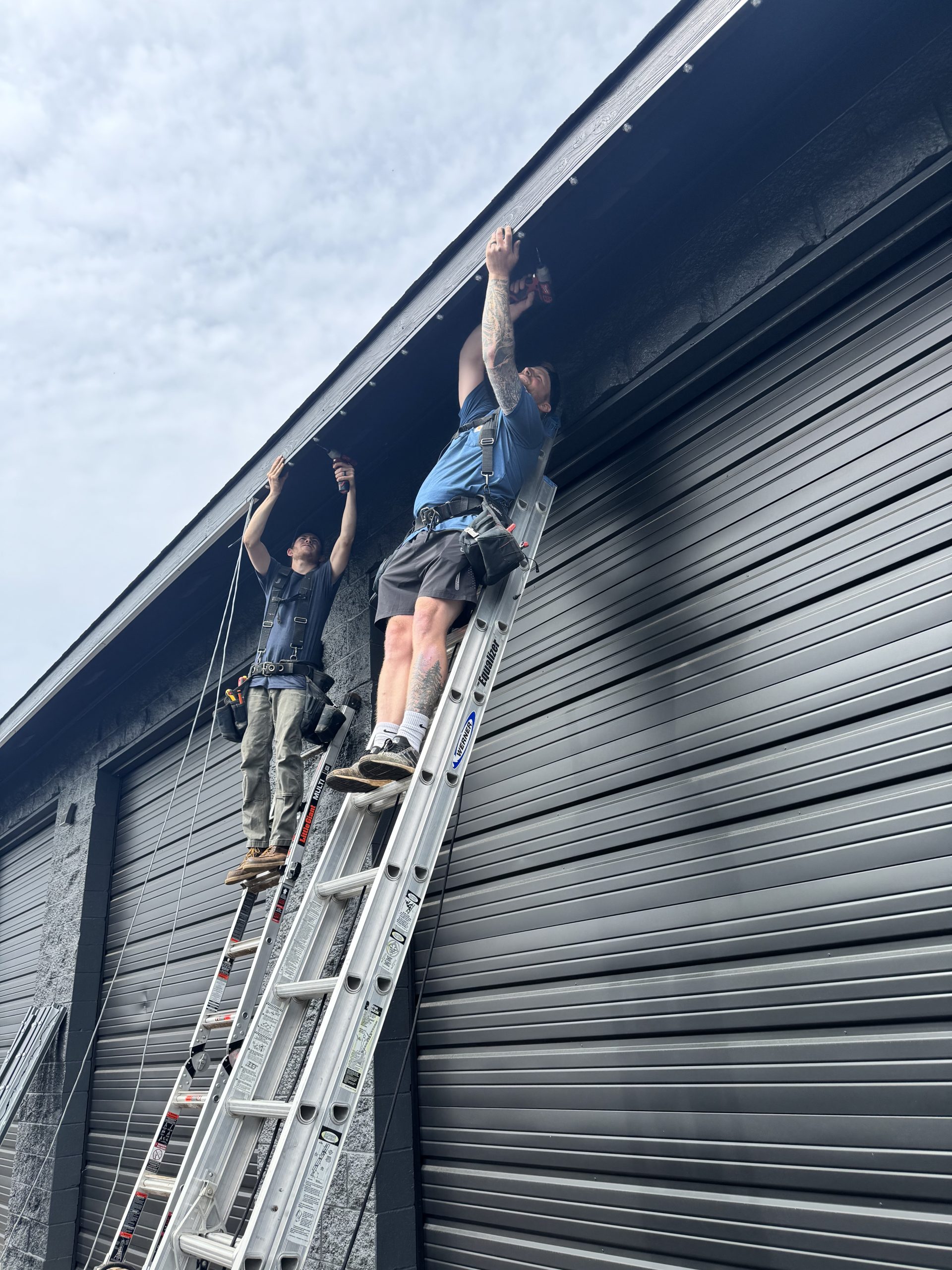
Transform Your Bethany Home with “Invisible” Lighting
Permanent outdoor lighting can give your Bethany home clean, modern curb appeal without a tangle of cords or bulky fixtures. When it is done right, the house looks normal during the day, then shifts at night into a soft, polished glow that feels both warm and refined. Rooflines look sharp, walkways feel safer, and your home stands out without shouting for attention.
“Invisible” roofline lighting is the heart of this look. These are permanent LED tracks that match your trim, fascia, or gutters, so they almost disappear in daylight. At night, they switch to precise lines of light you can control from an app, from simple warm white to tasteful color scenes. At CLG Lighting, we design and install these systems in Bethany and across the Portland metro area, with equipment built to handle wet Oregon winters and year-round use.
What “Invisible” Roofline Lighting Really Means
When we talk about invisible lighting, we do not mean you cannot see the light itself. We mean the hardware is low profile, clean, and tucked away so your architecture stays the star.
Most permanent roofline systems are built from a few core components working together:
- Color-matched aluminum tracks that blend into fascia or gutters
- Tiny, fully sealed LED nodes that sit inside the track
- Discreet wiring routed under eaves or behind trim
- Smart controllers hidden in a garage, utility room, or similar space
Compared to traditional holiday string lights, permanent architectural lighting is a different world because it removes the annual setup and the visual clutter that comes with temporary strands. You avoid the repeat work and the common problems that make homes look busy or unfinished during the season:
- No yearly ladder climbs to hang and remove lights
- No clips or nails that can damage shingles or gutters
- No sagging wires across your roof or front yard
- Less clutter on fascia, railings, and shrubs
Permanent roofline lighting also works best as part of a full plan, rather than treating the roof edge as the only bright element. We often tie roofline lighting into soffits and landscape areas so the lighting reads as one calm, cohesive night scene instead of a few bright, random spots:
- Soft soffit washing on key sections of the house
- Gentle lighting on trees, planting beds, and entry paths
- Accent light on architectural details like peaks or stone columns
Working with Bethany HOAs Without Design Conflicts
Many Bethany neighborhoods have active HOAs, and lighting is a common topic. Boards usually aren’t against light itself; they just want to avoid anything that feels loud or out of character for the community. In practice, that means concerns tend to focus on how the lighting looks from the street at night and whether the hardware is noticeable during the day.
Typical HOA concerns include:
- Flashy “party” modes or fast flashing patterns
- Bright colors left on late at night
- Light shining into neighbors’ windows
- Fixtures that look bulky during the day
To keep things smooth, we plan systems that easily match HOA expectations by prioritizing subtle hardware, warm everyday scenes, and control features that prevent late-night glare. The goal is for the system to look like tasteful architectural lighting first, with optional seasonal scenes that remain restrained and timer-controlled:
- Daytime tracks that match trim color so they are hard to spot from the street
- Warm white scenes that look like traditional architectural lighting
- Reasonable brightness levels with built-in dimming at night
- Holiday colors set on calmer patterns and timers so they shut off at a set hour
When you are preparing to submit to your HOA, it helps to bring a clear, concrete packet that shows what will be installed and what it will look like in normal daily use. A straightforward proposal often reassures the board that the house will look refined, not like a light show:
- Read through your CC&Rs and any design rules about exterior lighting
- Gather product spec sheets that show the track color, size, and light output
- Share examples of “everyday” white scenes that look soft and neighbor-friendly
- Point out that the system is permanently mounted and tidy, not a messy temporary setup
Permits, Codes, and Safety in Bethany and Washington County
Permanent lighting is still electrical work, so safety and code compliance matter. In some cases, permanent lighting services in Bethany may need permits, especially when we add new outdoor circuits or upgrade parts of the panel to handle the load. The permit question often depends on whether the work is truly plug-in low voltage or whether it involves new hardwired electrical changes.
In general:
- New hardwired exterior circuits or panel changes may require an electrical permit
- Low-voltage systems that plug into existing outdoor GFCI outlets might not need one
- Any work inside your main panel should only be done by a licensed electrician
Even when a permit is not required, the same safety fundamentals still apply. The system needs to be protected from water exposure and power issues, and it needs to be installed with proper connections and correctly sized wiring for the load and distance.
Key safety and code points include:
- GFCI protection for outdoor outlets and circuits
- Correct wire sizing to match the length and load of the run
- Proper junction boxes with covers where connections are made
- Surge protection to help protect the system from power spikes
- UL-listed components rated for exterior and wet locations
At CLG Lighting, we coordinate with licensed electricians and follow Washington County and Oregon electrical rules. That way, your system is installed correctly, and the documentation is clear if you ever sell your home and a buyer or inspector has questions.
Designing Subtle Roofline and Landscape Lighting for All Seasons
In Bethany, darker evenings and wet walkways can sneak up quickly as fall goes on. Thoughtful lighting helps your home look warm and also makes it easier to see steps, driveways, and paths on rainy nights. The best results typically come from balancing architectural outlining with practical, human-level guidance lighting.
A balanced year-round plan often includes:
- Warm-white architectural roofline scenes for everyday use
- Path and step lighting to help guide guests safely
- Gentle uplighting on key trees or shrubs near the entry
- Light on house numbers and the front door so visitors can find you easily
Permanent systems also shine when you want a little fun, because app control lets you store and recall different looks without adding temporary strings or extra hardware. You can keep things simple most nights, then switch to something more playful when the time feels right.
With an app-controlled setup, you can store scenes for:
- Regular evenings, in soft warm white
- Special events with subtle colors or patterns
- Seasonal looks that stay within HOA comfort levels
To keep the lighting subtle and neighbor-friendly, we pay close attention to brightness, aiming, and how the system is divided into zones. That control helps you avoid harsh hotspots, keep light contained to your property, and adjust different parts of the system independently.
We pay close attention to:
- Light levels that are bright enough to see but not harsh from the street
- Beam direction that keeps light on your property, not into bedrooms next door
- Zoning, so you can control roofline, landscape, and holiday-style scenes separately
Installation Best Practices for Long-Lasting, Low-Profile Systems
Oregon’s mix of rain, wind, and sun can be hard on outdoor gear, so permanent lighting in Bethany has to be built and installed with longevity in mind. Long-lasting performance starts with weather-ready parts and continues with mounting methods and routing choices that stay clean and protected over time.
For weather protection, we focus on:
- Fully sealed LED nodes that keep out water
- UV-stable tracks that hold color and shape over time
- Stainless or coated fasteners to help resist rust
- Mounting methods that avoid disturbing roofing and siding warranties
Clean cable management is just as important as the lights themselves because it is what keeps the system looking “invisible” during the day. On a typical project, we hide runs under eaves or behind trim, place junction points where they stay sheltered, and keep the main control equipment out of sight in a garage or utility space while still accessible for service.
On a typical project, that means:
- Running wires under eaves or behind trim where they stay hidden
- Placing discreet junction points in sheltered spots
- Mounting the main controller in a garage or utility space
- Setting up Wi-Fi or app control so you can adjust scenes from a phone or tablet
Durability is about both parts and planning. We use commercial-grade components and design layouts with service in mind, so future checks or repairs are as simple as possible. A quick review before heavy holiday use or stormy seasons can help confirm everything is solid, from the power supply to the final LED node, so your system stays practically invisible by day and quietly beautiful at night.
Get Started With Your Project Today
Transform the look and feel of your home or business with our expert permanent lighting services in Bethany. At CLG Lighting, we work closely with you to design a customized solution that fits your property, style, and budget. If you are ready to discuss your ideas or schedule a consultation, simply contact us and we will help you take the next step.