
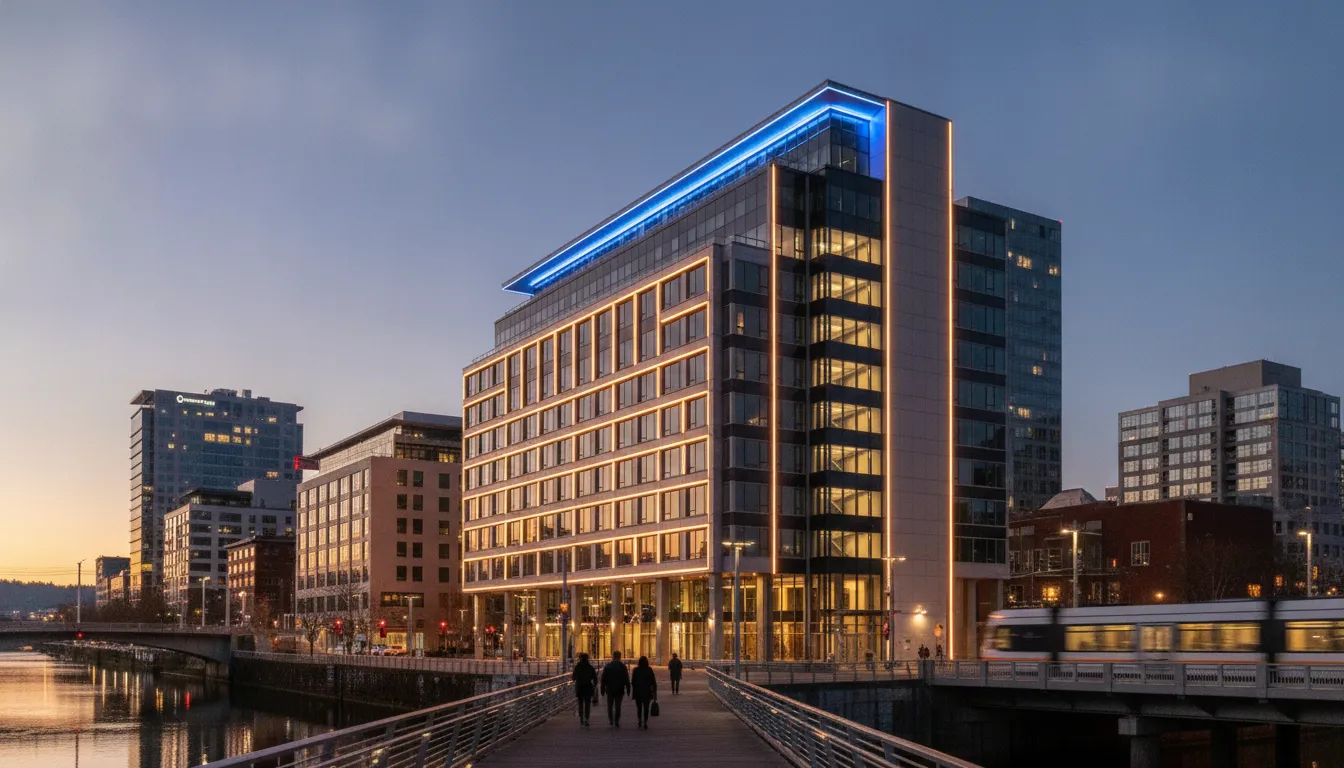
Rain, changing temperatures, and early winter sunsets can all affect how outdoor lighting performs. That makes careful planning an important part of permanent architectural lighting installation for Oregon businesses. The process begins with the property itself: its roofline, entrances, signage, pathways, outdoor seating, and access to power. From there, an installer can recommend fixtures, wiring routes, and controls suited to the site and your goals. The finished system might make an office easier to identify, give a restaurant patio a welcoming feel, or highlight distinctive architecture. Knowing what installation involves helps you ask useful questions and compare proposals with confidence before work begins.
Key Takeaways
- Plan around how people use the property: Identify priorities such as visible entrances, clear walkways, recognizable signage, or welcoming outdoor areas before selecting fixtures and controls.
- Match the system to the building and Oregon conditions: Review fixture placement, weather protection, glare, light spill, access for maintenance, and how architectural lighting will work with landscape or bistro lighting.
- Compare the full scope before approving installation: Check itemized costs, controls, energy use, warranties, ongoing service, and any permits or inspections required for your property.
What Does Permanent Architectural Lighting Installation Involve?
Permanent architectural lighting installation begins with a plan for how a commercial property should look and function after dark. The installer reviews the building and outdoor areas, discusses your priorities, and maps out fixture placement, wiring, controls, and access for future service. This planning helps create a cohesive design that supports your brand, visibility, and day-to-day operations. In Oregon, it also helps ensure fixtures and connections are suited to seasonal exposure to rain and moisture.
Set Goals for Branding, Visibility, Safety, and Accents
Start by deciding what the lighting should do. You may want to make your entrance easier to spot, keep signage visible after business hours, highlight architectural features, or improve visibility around walkways. Some properties also use color scenes for promotions, events, or seasonal displays.
These goals can work together. Many permanent systems offer both white-light settings and color-changing options, allowing businesses to choose a practical everyday look and create different scenes when needed. Consider who uses the property, when the lights should be on, and which features deserve attention. Sharing these priorities with your installer early helps shape a design that feels consistent with your brand and useful to customers, staff, and visitors. You can compare commercial permanent lighting systems to explore common features.
Assess the Facade, Roofline, Entrances, and Outdoor Areas
A site assessment helps identify where fixtures can make a difference and what may affect their placement. The installer reviews the building’s facade, roofline, columns, signage, entrances, walkways, and outdoor gathering areas. Trees, neighboring properties, existing lights, and other obstructions also matter because they can affect light coverage and the finished appearance.
The architecture should guide the design. Roofline fixtures can define a building’s outline, while focused lighting can draw attention to an entrance or sign. Fixtures near paths and gathering areas can support visibility where people walk or meet. Depending on the property, lights may be mounted on a structure, recessed into the ground, or integrated into architectural features. This guide to architectural outdoor lighting explains why reviewing the whole site is an important part of planning.
Plan Fixtures, Power, Controls, and Access
Once the goals and site conditions are clear, the installer can recommend fixture types and locations. The plan should also account for power connections, wiring routes, lighting controls, and access for future maintenance. On taller buildings or complex rooflines, safe access deserves attention before installation begins.
LEDs are often used for architectural lighting because they combine energy efficiency with a long service life. Depending on the system and property, controls may include dimming, programmable scenes, or sensors that respond to light levels. These features let businesses adjust illumination for different hours and activities. Planning fixtures, power, controls, and service access together helps ensure that the system works as a whole. Learn about architectural lighting design to see how LEDs, dimming, and controls can shape a lighting plan.
Install, Program, and Test the System
After you approve the design, the installation team mounts the fixtures, runs and connects wiring, and sets up the controls. The exact work depends on the building, selected fixtures, and planned wiring routes. For a commercial property, coordinating access and work hours in advance can help reduce disruption to staff, customers, and daily operations.
The team then programs the system and tests the fixtures and lighting scenes. Testing confirms that the lights are aimed correctly, the controls respond as expected, and the result matches the agreed plan. It also gives you a chance to review brightness, color, and coverage and request adjustments. If the system uses centralized controls, the installer can show you how to manage its settings and scenes. This architectural lighting design resource covers programming and testing as part of achieving the intended lighting effect.
What Benefits Can Commercial Properties Expect?
Permanent architectural lighting can make a commercial property easier to recognize and more welcoming after dark. A well-planned system can define the building’s exterior, draw attention to key features, and help customers find entrances and outdoor gathering areas. It can also replace some seasonal decorating tasks with lighting scenes that staff can adjust through a control system.
The benefits depend on the property and how people use it. A restaurant may want to highlight its patio, while an office may prioritize visible entrances and clear paths. Consider your goals, operating hours, neighboring properties, and existing outdoor lighting before choosing a design. The right plan balances appearance with practical needs such as visibility, comfort, energy use, and ongoing maintenance.
Improve Visibility and Recognition After Dark
A clearly lit building is easier for customers to spot from the road, parking area, or sidewalk. Permanent fixtures can outline a roofline, wash a facade with light, or make signage more visible. A consistent lighting scheme can also help returning customers recognize your property in the evening.
Many permanent systems offer white-light settings alongside color-changing options. Use white light for everyday visibility, then select brand colors for a promotion, event, or holiday. This flexibility lets one system serve both practical and decorative purposes. Commercial permanent lighting systems can provide everyday illumination as well as customizable scenes.
Choose brightness and placement with care. Lights that are too intense can create glare for drivers and pedestrians, while poorly aimed fixtures may distract from the building. A thoughtful layout makes the property noticeable without overwhelming its surroundings.
Highlight Architecture, Signage, and Brand
Lighting can bring out the details that make a commercial property distinctive. Fixtures can emphasize columns, rooflines, entry canopies, masonry, or other architectural features. Carefully placed light can also help customers find a sign without competing with its lettering or colors.
The best approach depends on the building’s design and the effect you want. Cove lighting, for example, places fixtures in recesses or ledges and directs light across nearby walls or ceilings. This creates a softer effect that can add depth to an exterior or covered entry. Explore different architectural lighting techniques to understand how placement shapes the result.
Brand colors can help create a distinctive scene, but they don’t have to appear every night. Consider using them for special occasions while keeping everyday lighting consistent with the building’s materials and character. This gives your property a recognizable look without making the design feel busy.
Make Entrances, Walkways, and Gathering Areas Safer
Customers, employees, and visitors need to see where they’re going as they approach and move around a property. Lighting entrances, steps, paths, and outdoor gathering areas can help people identify routes and notice potential obstacles after dark.
Architectural lighting can contribute to visibility, but a roofline system alone may not provide enough light for stairs or walkways. Pair it with fixtures designed for those tasks, and aim the light where people need it. An installer can assess foot traffic, entrances, parking connections, and areas where guests tend to gather.
LEDs are commonly used in architectural applications because they can use less energy than many traditional light sources. A well-planned layout can support both practical visibility and a comfortable atmosphere. Learn more about architectural lighting in commercial spaces, then discuss how those principles apply to your property.
Welcome Customers and Guests
The approach to a business shapes a visitor’s first impression. A well-lit entrance can feel more inviting, while accent lighting can help guide attention to a reception area, artwork, or other feature. Restaurants and hospitality businesses may also use lighting to make patios and other outdoor seating areas more comfortable after sunset.
Start by looking at the property from a visitor’s perspective. Is the main entrance easy to identify? Can people see the route from the parking area? Does the lighting make it clear where to enter or check in? Accent lighting can highlight a focal point without illuminating every surface equally. Commercial accent lighting can draw attention to features such as artwork and lobby displays.
Aim for a balanced effect. Harsh brightness or poorly directed beams can feel uncomfortable and distract from the building. Combining ambient, accent, and task lighting can make the property easier to use while keeping its appearance welcoming.
Reduce Seasonal Setup, Ladder Use, and Maintenance
Permanent architectural lighting can reduce the need to hang temporary lights for each holiday or seasonal event. Once installed, a system with programmable controls can let staff change colors or scenes without putting up new strands around the building.
That may also reduce setup time and the need for employees to use ladders for seasonal decorating. Permanent lighting has developed beyond early systems that offered limited color choices, giving businesses more options for everyday illumination and special displays. Read about the development of permanent lighting to see how the technology has changed.
Permanent fixtures still need care. Wiring, controls, mounts, and lights should be checked periodically, especially after severe weather or nearby construction. Before installation, ask what maintenance is recommended, who can service the system, and how replacement parts are handled. A clear service plan can help you budget for upkeep and avoid assigning staff to troubleshoot equipment at height.
Weigh Energy Use, Property Appeal, and Long-Term Value
Look beyond the installation price when comparing lighting options. Consider expected energy use, component life, routine service, and how often you plan to run the system. LED fixtures are known for their efficiency and longevity, while dimming and scheduling can help match light levels to business hours and reduce unnecessary operation.
Ask what controls come with the system. Can you schedule everyday lighting, adjust brightness, or create scenes for events? Programmable dimming and other controls can help tailor the appearance while managing energy use. Explore how architectural lighting design uses these features to shape both function and atmosphere.
A well-lit exterior may improve how customers see and find your property, though those benefits are difficult to measure in a single figure. Compare them with projected energy costs, maintenance needs, warranty terms, and expected service life. Request an itemized estimate so you can understand what the installation includes and how the system supports your property’s everyday use.
Which Permanent Architectural Lighting Systems Suit Commercial Properties?
The best permanent architectural lighting system depends on the building, the features you want to highlight, and how people use the property after dark. Track fixtures can outline rooflines, puck lights can draw attention to columns or entrances, and LED strips can create continuous lines along a facade. Each option has a different appearance, so consider how the fixtures will look both when lit and during the day.
Start by identifying the areas that need light: building edges, signage, entrances, walkways, landscaping, or outdoor seating. Then compare fixture placement, brightness, color options, controls, and weather resistance. A system should make the property easy to recognize and welcoming to visitors without creating glare or spilling unwanted light onto neighboring spaces.
For Oregon businesses, exposure to rain and seasonal weather also matters. Ask an installer how fixtures will be mounted, protected, and maintained. It’s helpful to review a lighting plan that shows where each fixture will go and how the different layers will work together. That way, roofline lighting, landscape lights, and patio or bistro lighting can feel coordinated rather than competing for attention.
Use Track Fixtures for Rooflines and Building Edges
Track fixtures are designed to outline rooflines, eaves, and other building edges. Their compact profile can keep the hardware relatively discreet during the day, while programmable colors can add interest for promotions, holidays, and events. Some permanent systems also offer white-light settings, so businesses can use the installation for everyday architectural lighting as well as color displays.
Before choosing a system, ask how the track will attach to the building and whether it can follow the roofline neatly. Compare brightness, control options, and how easily staff can switch between settings. Permanent lighting systems such as BlueHopper, JellyFish, Gemstone, and Oelo offer white and color-changing options, though features differ by product. An installer can help match the system to the building’s materials, layout, and operating needs.
Use Puck Lights for Columns, Eaves, and Accents
Puck lights suit areas where you want to highlight selected details rather than create a continuous line of light. Their compact form can work well on columns, eaves, entry features, and other parts of a facade. When aimed carefully, they can draw attention to a main entrance or distinctive architectural feature without lighting every surface equally.
First decide what visitors should notice, such as the entrance, signage, or a prominent column. Then ask about fixture spacing and beam direction to reduce bright spots and glare. Accent lighting can help direct attention to focal features, a principle also used in commercial architectural lighting. For outdoor installations, confirm that fixtures are rated for their exposure to moisture and weather. A lighting professional can also check that their placement complements the building instead of distracting from it.
Use LED Strips for Continuous Architectural Lines
LED strips create a continuous line of light along roof edges, recesses, and other architectural features. They’re a good fit when you want a clean, even outline rather than separate points of light. Depending on the product, strips may provide one color or offer color-changing and dimming options.
Plan the mounting surface, weather protection, and power supply before selecting a strip. These details help maintain consistent light along the full run. Ask how the light will look from nearby streets and walkways, and whether the fixtures will be visible or shielded. Commercial buildings have used permanently installed LED strips for architectural accents, with modern systems offering more options than early single-color versions. An installer can recommend a suitable output and placement for your facade.
Compare LED Efficiency, Color, Dimming, and Controls
Compare more than a system’s color effects. Check energy use, expected service life, color consistency, dimming range, and control options. Efficient LEDs can help manage electricity use, while programmable settings make it easier to adjust brightness for business hours, events, or overnight. Consistent color matters if several fixtures illuminate the same facade or brand signage.
Ask whether the system supports schedules, separate lighting zones, or centralized controls. These features can make day-to-day adjustments easier for staff. Also check how the selected color temperature will appear on your building materials and signage. Architectural lighting guidance covers how LEDs, dimming, color rendering, and daylight sensors can shape a lighting plan. Choose controls your team can use confidently, and make sure the installer explains how to change settings.
Pair Architectural, Landscape, and Bistro Lighting
Architectural lighting is one part of a complete exterior plan. Fixtures on the roofline and facade help define the building, while landscape lighting can illuminate paths, planting beds, trees, and signs. Bistro lighting adds a softer feel to patios and outdoor dining areas. Together, these layers can make a property easier to use and more welcoming after sunset.
Plan each layer around how people move through the space. Keep walkways clearly lit, aim accent fixtures away from visitors’ eyes, and consider dimming in seating areas. For patios and courtyards, choose fixtures and mounting points suited to the layout and local weather. Recessed areas may also benefit from cove lighting, which directs light across a ceiling or wall instead of straight toward visitors. This overview of architectural lighting explains how the approach can create ambient light and highlight features. A coordinated plan helps each layer serve a clear purpose.
How Much Does Permanent Architectural Lighting Installation Cost?
Permanent architectural lighting is a custom project, so there’s no single price that applies to every commercial property. The total depends on the areas you want to light, the fixtures and controls you choose, and the work required to install them safely. A simple roofline installation will have different needs from a multi-story building with columns, signage, several entrances, and separate lighting zones.
An estimate may include fixtures, mounting materials, wiring, electrical work, labor, access equipment, controls, and system programming. Ask whether testing, cleanup, and staff instructions are included, too. These details can help you compare proposals fairly instead of focusing only on the initial total.
Online price ranges can offer a rough reference, but they are not a substitute for a site assessment. A commercial property in Oregon may have specific access, electrical, and weather-exposure needs that affect the design and installation plan. Ask potential installers to explain what they’ve included, what could change the price, and how the system’s energy use, maintenance, warranty, and ongoing service factor into ownership costs.
Factor in Fixtures, Materials, Labor, and Electrical Work
Ask for an itemized estimate that lists fixtures, mounting hardware, wiring, electrical work, labor, and control equipment. Confirm whether it includes programming, testing, cleanup, and any lift or access equipment needed to reach upper rooflines. If the project requires new circuits or changes to existing electrical systems, make sure those costs are clearly described.
As a general reference, one published residential estimate places professional systems at about $25 to $35 per linear foot, or $3,500 to $5,500 for a 150-foot roofline. Simpler projects may start near $2,000, while complex ones can exceed $8,000, according to Alcazar Construction’s cost overview. These figures are not a quote for an Oregon commercial property. Building size, electrical needs, and installation conditions can change the price considerably.
Consider Building Size, Height, Access, and Design Complexity
A longer roofline usually requires more fixtures and materials, but height and building shape can affect the estimate just as much. Reaching a high parapet or an irregular roofline may call for a lift, extra setup time, and additional safety measures. Columns, signage, multiple entrances, and changes in facade materials can also add design and installation work.
Ask the installer to identify the areas covered by the proposal and explain how access and design choices affect the price. A site-specific plan can help prevent uneven brightness, visible wiring, or poorly aimed beams. These are among the common installation issues discussed in this Oregon architectural lighting guide. Before work begins, confirm any assumptions about access, existing power, and the lighting effect you expect.
Include Controls, Customization, and Weather-Resistant Parts
Controls and customization affect both the upfront cost and how useful the system will be. Consider whether your property needs dimming, scheduled operation, separate zones, adjustable white light, color options, or app-based control. A restaurant might want distinct settings for business hours and events, while an office may prefer consistent exterior illumination.
Ask which components are rated for outdoor use and how the fixtures, wiring, and connectors are protected from moisture. Some systems offer a wide range of color and white-light settings. For example, BlueHopper describes a system with more than 16 million dimmable colors and adjustable white temperatures. Choose features that fit your property’s needs, rather than paying for options your team is unlikely to use.
Compare Energy Use, Maintenance, and Service Life
The lowest installation price may not mean the lowest long-term cost. Ask how much energy the system is expected to use, how often it may need maintenance, and whether replacement parts will be available. LED sources are commonly used in commercial architectural lighting because they use less energy than fluorescent lighting, according to this overview of LEDs in commercial spaces.
Clarify who handles troubleshooting, repairs, and changes to schedules or lighting scenes. For a commercial property, a system outage can affect visibility and the building’s appearance. Ask about service response times, routine maintenance, and repair costs after the warranty ends. Comparing these details alongside the installation price gives you a clearer picture of what the system may cost to own over time.
Review the Estimate, Warranty, and Ongoing Service
Review the estimate line by line before approving the work. Confirm fixture types and locations, controls, electrical work, installation scope, project timeline, and exclusions. Ask whether the installer will test the system after programming and show your staff how to operate the controls.
Read the warranty closely. Check what it covers, how long coverage lasts, and whether fixtures, wiring, controllers, and labor have separate terms. Warranty language can be confusing: a Gemstone Lighting video explains that a 20-year bulb warranty is different from some “lifetime” warranties, which may refer to a product’s expected service life. Ask the installer how warranty claims work, who provides service, and what repairs may cost once coverage ends.
What Should Oregon Businesses Consider Before Installation?
Start with the job you want the lighting to do. Your priorities might include helping customers find the entrance, making paths easier to see, highlighting a sign or roofline, or creating a welcoming setting for outdoor seating. These goals will shape fixture locations, brightness, controls, and the way architectural lighting works with landscape or bistro lights. They also help keep the plan focused on useful illumination rather than adding fixtures without a clear purpose.
Oregon’s conditions call for practical planning as well as good design. Rain, moisture, temperature changes, fog, and seasonal shifts can affect equipment and change how light looks on a building. Consider power access, wiring routes, mounting surfaces, maintenance access, business hours, and nearby homes or businesses before work begins. A site assessment can help identify challenges specific to your property and clarify which requirements to confirm before installation.
Ask the installer to explain how the proposed system will perform in different conditions, how controls will work, and what support is available after the job is complete. DarkSky’s outdoor lighting principles are a useful reference for keeping light focused where it is needed. The considerations below can help you prepare questions and compare proposals.
Choose Fixtures for Rain, Moisture, and Seasonal Exposure
Outdoor fixtures and connections should suit the conditions in the places where they will be installed. A fixture beneath an eave may face different exposure from one mounted on an open facade or beside a landscaped area. Ask how the proposed equipment is rated for outdoor use, and how wiring, connectors, and mounting points will be protected from rain and moisture.
Discuss temperature changes, corrosion, and voltage drop with your installer, especially for long wiring runs or hard-to-reach sections of a commercial building. These details can affect a system’s reliability over time. The CLG Lighting installation guide identifies moisture, exposed wiring, weak connectors, and corrosion as issues to consider. Ask your installer how the design addresses each relevant risk at your property.
Use Warm, Consistent Light and Avoid Excessive Brightness
Choose a color and brightness that suit your building, its finishes, and the experience you want visitors to have. Warm light can complement wood, stone, plants, and gardens, while a consistent color across fixtures helps the facade look cohesive. If the property already has exterior or landscape lighting, ask how the new system will look beside it.
More brightness does not necessarily mean better visibility. Harsh lights can distract drivers and pedestrians, create uncomfortable glare, or make nearby areas seem darker by comparison. Focus instead on the task: helping customers identify an entrance, read a sign, or walk along a path. Before installation, review fixture specifications and, where possible, test the proposed color and intensity on the building materials. This gives you a chance to request adjustments while the design is still being finalized.
Limit Glare and Light Spill With Shielded, Aimed Fixtures
Well-placed fixtures direct light toward the feature or area they are meant to serve. Shielding and careful beam aiming can illuminate a facade, sign, or walkway while reducing light that spills into neighboring windows or the sky. This is especially important for businesses near homes, shared property lines, roads, or other buildings.
During the site review, point out nearby windows, reflective surfaces, and places where people might look directly at a fixture. Ask the installer to explain where each beam will fall and whether shielding is appropriate. DarkSky’s lighting guidance recommends directing light where it is needed and avoiding unnecessary brightness. A focused plan can help your business remain visible without creating glare for customers, neighbors, or passersby.
Plan for Seasonal Changes, Operating Hours, and Layered Lighting
Review how the property changes throughout the year. Winter brings earlier sunsets, while rain and fog can affect visibility and make surfaces appear brighter or more reflective. Trees may lose their leaves, exposing parts of the building that were shaded in summer. Consider these conditions when choosing fixture locations, rather than basing the design on a single clear evening.
Your operating hours should also inform the controls. A business that closes early may need a different schedule from a restaurant or venue open late. Timers and dimming can help match light levels to business activity. You can also layer architectural lighting with landscape, entry, or bistro lighting to make outdoor areas more useful. Share your hours, security needs, and plans for outdoor seating with the installer so the system reflects how you use the property.
Check Local Electrical, Energy, Permit, and Lighting Rules
Before work begins, confirm which permits, inspections, and code requirements apply. Requirements can vary based on the project, property, and equipment. Ask your contractor who will determine whether permits are needed, submit applications, and arrange any required inspections. The Oregon Building Codes Division’s electrical permit information is a helpful starting point. Your local building department can clarify requirements for your specific site.
Energy and lighting rules may also influence fixture choices and controls. Ask how the proposed system addresses applicable energy code provisions, including requirements for outdoor lighting. A qualified installer should be able to explain what they have reviewed and flag any questions that need confirmation with local officials. Getting these details settled before installation can help avoid project delays or changes to the design after work is underway.
Avoid Mismatched Colors and Poor Beam Placement
A cohesive lighting design depends on consistent color and considered placement, not maximum brightness. Fixtures with noticeably different color temperatures can make one part of a building look warm and another appear stark or blue. Confirm that the selected fixtures will look consistent across the facade and complement existing exterior lights.
Beam placement matters just as much. A poorly aimed fixture can create bright spots, leave important areas in shadow, or shine toward windows and walkways. Ask for a layout showing what each fixture will illuminate and why it is positioned there. CLG Lighting’s design guidance discusses common issues such as uneven brightness and poorly aimed beams. Make sure the installer tests the system after dark, when you can see how the light looks on the building and request any needed adjustments.
Check an Oregon Installer’s Experience, Credentials, Insurance, and Support
Look for an installer with experience on commercial properties and outdoor lighting systems in Oregon. Ask to see examples of similar projects, and clarify who will handle electrical work, permits, programming, and final testing. Verify that the contractor has the credentials required for the work and carries appropriate insurance. If you have questions about licensing or permits, check with the relevant state or local office.
Before you sign, review the written scope, equipment specifications, warranty, and service options. Ask what support is available if a controller, connection, or lighting segment needs attention later, and whether repairs or seasonal checks are offered. Installation quality includes more than fixture placement: wiring, connectors, controls, and access for future maintenance all matter. A clear agreement helps you compare proposals, understand what is included, and know whom to contact if the system needs service.
Frequently Asked Questions
What is permanent architectural lighting?
It’s an outdoor lighting system installed on or around a building to highlight features such as rooflines, entrances, signage, and facades. Depending on the design, it may provide everyday white light, colored scenes, or both.
Can architectural lighting replace walkway or security lights?
Not always. Roofline and facade fixtures may not provide enough illumination for steps, paths, parking areas, or other places where people need to see clearly. Ask your installer to plan task lighting for those areas alongside architectural accents.
How much does permanent architectural lighting cost for a commercial property?
The price depends on the building’s size and height, fixture choices, electrical work, controls, and installation access. Request an itemized, site-specific estimate so you can compare what each proposal includes, along with warranties and service costs.
Can a business change the lighting for events or holidays?
Many systems offer programmable settings, such as different colors, dimming, and scheduled scenes. Ask which features are included and how staff will adjust them before choosing a system.
What should an Oregon business ask an installer before hiring them?
Ask about commercial project experience, required credentials and permits, outdoor-rated equipment, weather protection, insurance, warranty coverage, and repair support. You can also request a fixture layout and confirm that the installer will test the system after dark.