
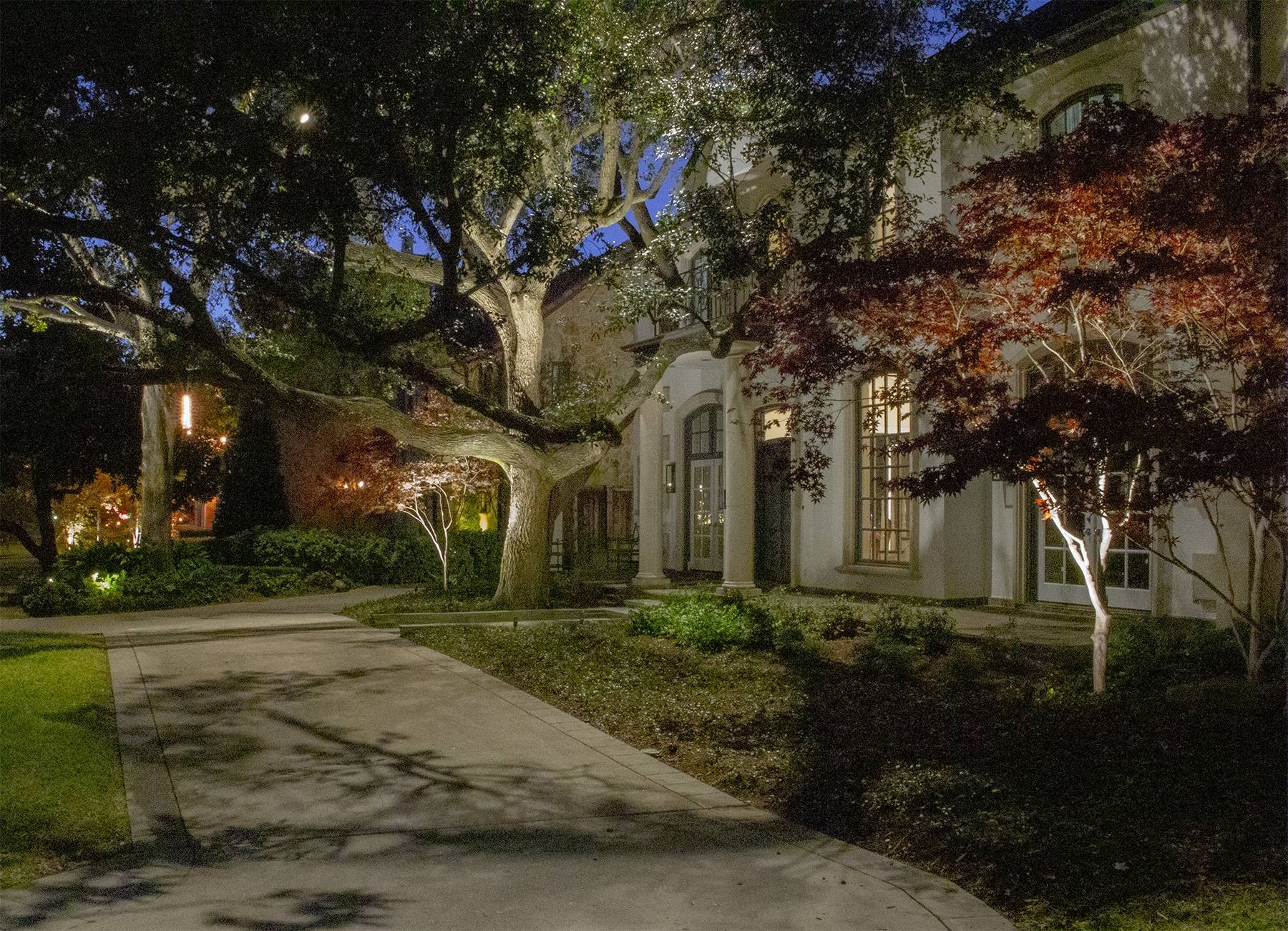
Light Your Home Smarter, Not Brighter
Outdoor lighting should make your property feel safe, welcoming, and easy to move through after dark. If you are dealing with dark walkways, blinding glare in your windows, or holiday lights that look a little chaotic, the problem usually is not that you need more light. It is that the light you already have is in the wrong place, the wrong color, or doing the wrong job.
Many Oregon homeowners and businesses still rely on old ideas about architectural lighting installation in Oregon. Those ideas often lead to wasted fixtures, code headaches, unhappy neighbors, and results that just do not feel right when you pull into the driveway at night. At CLG Lighting, we focus on architectural-grade landscape lighting, permanent architectural lighting, and professional holiday displays, so we see these myths up close and enjoy proving them wrong with smart, thoughtful design.
Architectural Lighting Is More Than Just Looks
One common myth is that architectural lighting is just “pretty décor.” Good design should look amazing, but it has to do much more than that, especially in Oregon’s wet, sometimes icy weather.
Well-planned lighting can help people move safely and confidently across your property. For example, when steps and walkways are gently lit from the sides, it is easier to see edges and changes in height. That reduces trip hazards when the ground is slick or covered in wet leaves. Light at entries and driveways can also help with wayfinding so guests know exactly where to go without wandering in the dark.
Thoughtful lighting design also helps with security. That does not mean blasting every surface with harsh light. Instead, we aim for:
- Even light at doors and gates so faces are visible
- Soft fills in dark corners that might attract intruders
- Clear views from inside the house without harsh glare outdoors
We also think about how light bounces off surfaces. A pale wall may reflect light like a mirror, while dark bark or plantings absorb it. We study how you and your guests actually use the space at night. Then we plan fixtures so they highlight your architecture, trees, and stonework while still doing the everyday jobs of lighting: helping you see, move, and feel comfortable.
Bright, Cool White Light Is Not Always Best
Another big myth is that “daylight” white is always the most flattering choice. People often mix up brightness and color. Brightness is about how much light a fixture puts out. Color temperature is how warm or cool the light looks, from a soft candle-like glow to a bluish, crisp white.
In Oregon, our overcast skies, tall evergreens, and rich greens behave differently than dry, sunny climates. Very cool white light can make wood siding look washed out and stone look flat. It can also bounce off wet surfaces on rainy nights and feel extra glaring.
Warmer tones usually work better outside here, especially around:
- Natural wood siding and beams
- Stone patios and rock walls
- Plant beds, trees, and garden features
Warmer light feels inviting and calm. It softens hard edges and makes textures stand out. For paths and patios, we often combine warmer light with careful beam control so puddles and shiny surfaces do not blind you.
Architectural lighting installation in Oregon also has to respect dark sky ideas, wildlife, and neighbors. Softer, layered lighting with shields and tighter beams can:
- Keep light on your property instead of spilling into windows next door
- Cut down on light pollution toward the sky
- Give a clear view of the stars where possible
That balance creates outdoor spaces that feel finished and comfortable instead of harsh or overlit.
Permanent Architectural Lighting Can Be Subtle
Many people hear “permanent architectural lighting” and think of loud, always-on holiday lights. That old image does not match what modern systems can do.
Today’s permanent lighting can be very discreet. Fixtures often tuck under rooflines or into small profiles along trim. When designed well, the effect is clean and architectural, not busy or flashy. Most of the year, these systems run in a soft, neutral white that traces:
- Rooflines and gables
- Columns and arches
- Key architectural features you want to show off
When you want color for a holiday, game day, or special event, that same system can gently shift to tasteful hues, not a blinking carnival. Good design keeps the colors even and smooth, so your home or business still looks polished.
Professional installation also matters. In Oregon, we have coastal moisture, mountain cold, and plenty of rain. A well-built permanent system needs:
- Hidden or low-profile fixtures that blend into the architecture
- Quality materials that hold up to moisture and temperature swings
- Careful programming for long winter nights and bright summer evenings
Done right, permanent architectural lighting feels like part of the building, not an add-on.
DIY Lighting Rarely Saves Money Long Term
DIY videos and big-box kits make outdoor lighting look simple. Run a few wires, stick in some fixtures, and call it done. What people often discover later is that the system is hard to live with and expensive to fix.
Common DIY issues include:
- Mismatched color temperatures so some areas look yellow and others look blue
- Underpowered fixtures that disappear next to brighter ones
- Random beam placement that creates hot spots and dark holes
- Exposed wiring and low quality connectors that struggle in heavy rain
Architectural lighting installation in Oregon needs to consider things many DIY guides skip, like voltage drop along long runs, waterproof connections that stand up to constant moisture, and corrosion risk from soil and air. There are also code requirements for both homes and commercial properties that impact how and where equipment can be installed.
A professional design usually uses fewer fixtures placed in smarter spots. With efficient LEDs and smart controls, you get:
- Lower energy use for the same or better brightness
- Less maintenance and fewer early failures
- A clean, finished look instead of a patchwork of fixes
That is where the “save money” part really shows up, because you are not paying to redo the same project again and again.
Landscape Lighting Works Year Round, Not Just in Summer
A lot of people plan outdoor lighting while grilling on a warm August evening. They think about summer dinners outside, not how the same yard feels on a dark, rainy weeknight in winter.
Good planning looks at all seasons. Once fall hits, sunsets come earlier, and commuters pull in under cover of full darkness. Trees lose leaves, which can suddenly expose bare beams of light or create glare through windows that felt fine in summer.
Smart design for Oregon weather and seasons will:
- Light main paths, stairs, and drives with winter in mind
- Avoid fixture placements that become eye-level glare when leaves drop
- Consider how rain, fog, and wet pavement affect reflections
Permanent architectural lighting and year-round landscape lighting can also work together with seasonal holiday displays. With a layered plan, you can have:
- Soft, everyday lighting for normal evenings
- Slightly brighter or warmer looks for fall gatherings
- Professional holiday displays that build on what is already there
That way, your property flows smoothly from summer entertaining to cozy autumn nights to festive winter without starting from scratch every time the season changes.
Turn Lighting Myths Into a Better Nighttime Experience
Myths about “more brightness,” “cool white everywhere,” “DIY is cheaper,” and “it is all just for looks” keep a lot of Oregon properties from reaching their full potential after dark. When you step back and think about how you really use your space, how your architecture and plantings should feel at night, and how our local weather behaves, a different picture starts to form.
We encourage homeowners and business owners to walk their property after dark, make a note of spots that feel unsafe or dull, and think about features that deserve more attention. With a thoughtful plan for architectural-grade landscape lighting, permanent architectural lighting, and season-aware displays, it is possible to turn frustrating, messy light into a calm, beautiful nighttime experience that works in every season.
Transform Your Property With Custom Architectural Lighting
If you are ready to highlight your building’s best features, our team at CLG Lighting is here to help with expert architectural lighting installation in Oregon. We work with you to design a tailored solution that fits your space, goals, and budget. Tell us about your project and we will walk you through clear next steps and a customized plan. To schedule a consultation or ask questions, please contact us.