Entry Feature Lighting for Bend High-Desert Homes
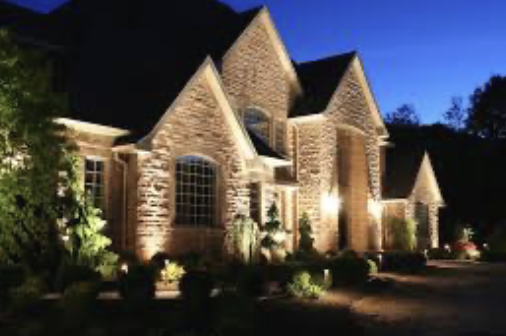
Entry feature lighting in Bend is all about how you light the front part of your home. That includes your front door, portico, columns, stonework, address markers, and the main path that leads guests to the entry. When those pieces are lit well, the whole house feels more inviting and easy to approach.
Good entry lighting does more than make the house look nice. It helps people see steps and locks, keeps the path clear and safe, and creates a warm welcome on long fall evenings and dark winter mornings. In Bend’s high-desert climate, the intense sun, big temperature swings, wind, dust, and winter ice can be tough on fixtures, so the materials, shielding, and maintenance choices you make up front decide how well your system will perform over the long term.
High-Desert Priorities Around the Front Door
The Bend area has dry air, strong UV exposure, freeze-thaw cycles, and plenty of blowing dust. All of that affects outdoor fixtures, wiring, and lenses right around your front entry. Thin painted metals can fade or chip, lenses can cloud over with dust, and exposed wiring can get brittle if it is not protected correctly.
At the same time, your entry lighting has to do two jobs at once. It needs to work well and look right. That usually means:
- Safe footing on steps and walkways
- A well-lit door and lock area
- House numbers that are easy to read from the street
- Soft, flattering light on stone, timber, or modern finishes
There are also local details to think about. Many Bend neighborhoods care about light spill and dark skies. It is smart to aim beams so they do not shoot into a neighbor’s windows or out toward drivers on the street. Native plants, boulders, and other natural features near the entry should be respected too, so the lighting feels like it belongs in the high desert, not like it is fighting against it.
Smart Materials, Finishes, and Shielding
Material and finish choices matter a lot in Bend’s climate. Some fixture bodies stand up to UV, dust, and temperature swings much better than others.
For long-term performance at the entry, we often look toward:
- Marine-grade brass for toughness and a natural patina
- Copper for a warm, aged look that fits timber and stone
- Powder-coated aluminum when weight and clean lines matter
- Stainless steel in select spots where a sleek modern style fits and there is less risk of constant abrasion
The finish is just as important as the base material. Natural patinas on brass and copper usually age gracefully in sun and dust. A good powder coat can hold color well and resist chipping. On the other hand, cheap painted finishes around the front door tend to fade, peel, or flake, which quickly drags down your curb appeal.
We also want the fixtures to feel like part of the home. For example:
- High-desert modern: slim powder-coated fixtures that echo metal trim or dark window frames
- Lodge or timber homes: brass or copper that works with big beams and stone columns
- Farmhouse and craftsman: warm metal tones and simple shapes that mirror trim details and porch posts
Shielding is a key design tool at the entry. Shielded step lights, fixtures with cowls or shrouds, and recessed optics all help hide the light source from direct view. This gives you strong illumination on steps, locks, and walls without blinding people as they walk up.
Thoughtful glare control helps in a few ways:
- Keeps light out of second-story windows
- Reduces glare for neighbors and passing cars
- Avoids “hot spots” on stone, stucco, or metal that look harsh at night
We often pair shielding with dark-sky-friendly ideas: warm color temperatures, directional beams, and cutoffs that keep light aimed down and where it is needed.
Planning for Wind, Dust, and Maintenance
Bend’s wind and dust are tough on entry lighting. Lenses get dirty and dim the output. Grit can work its way into adjustable heads and moving parts. Over time, dust and tiny sand particles can even wear at exposed finishes.
Instead of fighting this every week, it helps to plan a realistic care rhythm and design for easy service from day one. A simple seasonal plan might include:
- Fall: quick cleanup around fixtures, remove cobwebs and dust, check before holiday lighting goes up
- Mid-winter: check for damage from ice or snow loads, make sure fixtures are still solid and aimed well
- Spring: deeper lens cleaning, small aim adjustments after storms, new plant growth, or changes to the entry
Good design choices up front make this easier. Sealed fixtures keep dust and moisture out. Protected wiring and junctions reduce failures when temperatures swing. Mounting heights that are reachable without special gear make service smoother for professionals. Permanent lighting systems that are built for access and adjustment save time and keep performance steady over many seasons.
Permanent Architectural Entry Lighting and Holiday Layers
Traditional landscape fixtures work from the ground or low walls, while permanent architectural lighting becomes part of the structure itself. At the entry, that might mean LED nodes or low-profile fixtures tucked into eaves, soffits, beams, or trim details. The result is even, subtle illumination that feels like it naturally belongs on the home.
Permanent systems at the entry can also shift from everyday white to seasonal color scenes. You can keep a soft warm white look for daily use, then choose gentle color for special events or holidays, all without ladders or temporary clips. With energy-efficient LEDs, quality transformers, and app-based controls, Bend homeowners can fine tune:
- Brightness for different times of night
- Schedules that match shorter winter days or longer summer evenings
- Color temperature that suits stone, stucco, wood, or metal
- Color scenes for celebrations or quiet nights at home
When it is time to add holiday entry displays, professionally managed lighting can layer on top of your existing system without damage. The key is thoughtful planning around:
- Clips and attachment points that do not scratch stone, stucco, timber, or metal
- Wiring routes that do not tangle with permanent fixtures
- Careful control of brightness and color so holiday pieces do not create glare or wash out your regular entry lighting
A well planned permanent system can even cut down on holiday install time because much of the base lighting is already in place and ready to support the look you want.
Planning Entry Feature Lighting in Bend for the Long Term
Entry feature lighting in Bend works best when it is treated as a long-term investment, not a quick one-season upgrade. When you plan for many winters, wind events, and even future remodels, your system is more likely to stay beautiful, safe, and easy to live with.
A simple checklist for high-desert entry lighting includes:
- Climate-ready materials and finishes that can handle UV, dust, and freeze-thaw cycles
- Shielded, glare-free fixtures that respect neighbors, drivers, and dark skies
- Sealed housings and protected wiring for lower maintenance
- Permanent architectural lighting options for year-round impact and flexible scenes
- Professional design that ties lighting into your home’s style and the natural high-desert setting
With the right mix of materials, shielding, and maintenance planning, your entry feature lighting can greet you with the same warm welcome year after year, even as seasons and styles shift around it.
Get Started With Your Project Today
Transform your front entry into a welcoming focal point with our custom lighting designs tailored to your home and landscape. Explore how our entry feature lighting bend solutions can highlight architectural details, guide guests, and improve safety. At CLG Lighting, we work with you to design and install lighting that feels both inviting and functional. Ready to talk specifics for your property? Contact us to schedule a consultation.