
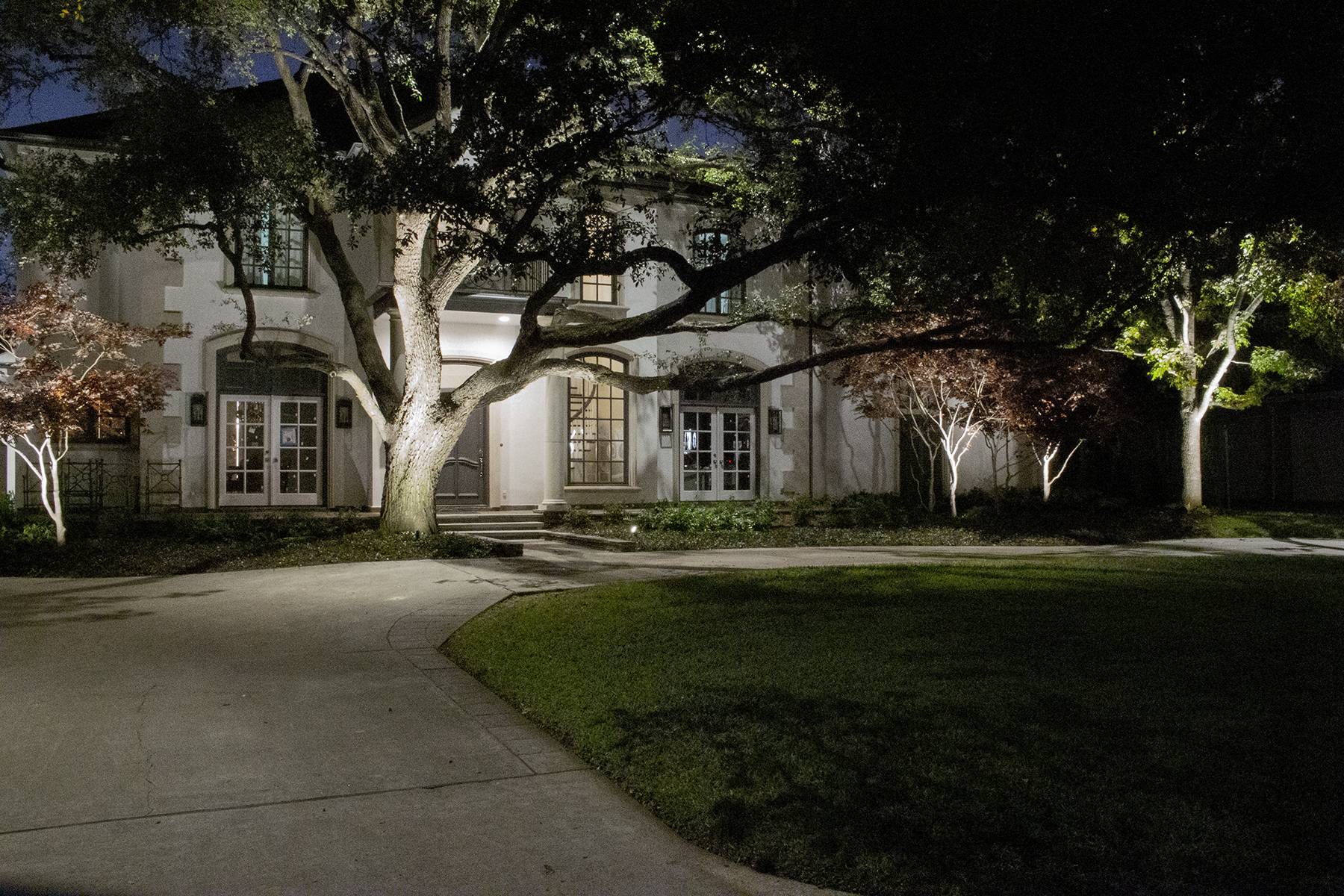
Light Your Driveway for Safety, Style, and Oregon Nights
Driveway lighting in Oregon does a lot more than just help you park the car. It helps you see through dark, rainy evenings, keeps people safe as they walk, and makes your home or business feel warm and welcoming. When it is planned well, it also makes your property look more polished every single night.
Here in Oregon, good driveway lighting has to balance security, style, and weather resistance. It needs to hold up against rain, mist, and long nights without looking harsh or like a parking lot. At CLG Lighting, we focus on architectural-grade outdoor and permanent lighting that brightens your way while still keeping your property beautiful. In this article, we will walk through fixture choices, layout tips, design styles, and permanent options that work for both homes and commercial properties in our Northwest climate.
Why Driveway Lighting Matters More in Oregon
Oregon nights can be dark, damp, and foggy. When it is raining and the clouds block out the moon, your driveway can turn into a slick, shadowy space that is hard to read. Good lighting helps you see curves, edges, and obstacles so you can drive and walk with more confidence.
Thoughtful driveway lighting also gives you a security boost. Well-lit areas are much less inviting for trespassers. Light helps remove hiding spots near the:
- Side yards and fence lines
- Garage doors and shop entries
- Gate areas and access points
- Trash and storage zones
When cameras have consistent light, they capture clearer images too. That helps you keep an eye on things without needing harsh, glaring floodlights that ruin the look of your property.
There are lifestyle benefits as well. A lit driveway creates a welcoming first impression for guests, customers, or delivery drivers. It frames the path to the front door or main entry, and it makes the whole property feel more cared for and finished. Many buyers and tenants notice that kind of detail. A property with a safe, well-lit approach feels more inviting and often stands out compared to a dark, hard-to-read driveway.
Designing Driveway Lighting in Oregon with Purpose
The best driveway lighting starts with a simple plan. Before choosing fixtures, we look at how people actually move through the space as part of a broader landscape lighting design. That includes:
- The main driving path, especially tight curves
- Areas where cars back up or turn around
- Changes in elevation like slopes, steps, or retaining walls
- Places where people walk close to vehicles
From there, we match fixture types to each need. Some common options include:
- Low-profile path lights that edge the driveway and guide feet
- Recessed driveway markers that sit flush with the surface
- Bollard lights for a clean, modern look and clear boundaries
- Wall or step lights on nearby structures or retaining walls
The goal is to avoid one super bright light that causes harsh shadows or glare. Instead, we think in layers. Driveway fixtures handle the path. Then we add soft lighting on trees, entry columns, and the front of the building to create depth. When the whole scene is balanced, your eyes relax and you can see more clearly.
Oregon’s weather affects design choices too. Rain on windshields can spread glare from bare bulbs, so we focus on shielded fixtures and careful angles. Color temperature matters in mist and fog. Slightly warmer white light often feels more welcoming while still cutting through haze. We also try to reduce light pollution by directing beams down and in, not up into the sky or out into neighbor windows.
Permanent Driveway Lighting That Stands Up to Oregon Weather
There is a big difference between permanent architectural lighting and quick, temporary options like loose solar stakes. Permanent driveway lighting is built to last, with hardwired systems, long-life LED lamps, and fixtures that are made for constant outdoor use.
In Oregon, that durability really matters. Permanent systems should include:
- Corrosion-resistant metals and finishes
- Fully sealed fixtures to keep out moisture and bugs
- Thoughtful placement to reduce standing water and moss
- Professional wiring and connections rated for wet locations
Low-voltage LED systems are a smart choice for most driveways. They use less energy, put out less heat, and can be dimmed or programmed for different times of day. With the right setup, you can have brighter scenes for late returns home, softer scenes for quiet evenings, and specific settings for guests or events.
We also look at how driveway lighting ties into other permanent lighting around the property. Roofline lighting, front walk lights, and entry features can all be controlled together. When everything is on one system, you get a consistent look every night with very little effort.
Balancing Security and Style Through Thoughtful Design
Security and style do not have to fight each other. In fact, softer, layered light can feel more secure than a single harsh spotlight. Instead of blasting the whole driveway, we use more fixtures at lower brightness levels. This spreads light evenly and keeps your eyes from getting blinded by one intense source.
Targeted security lighting is about putting light exactly where it is needed most, such as:
- Gate entries and keypad areas
- Garage doors and service doors
- Dark corners or dense plantings near the driveway
The rest of the scene can stay soft and warm. We often highlight stonework, fences, trees, and even house numbers along the driveway. These accents guide the eye, show the edges of the drive, and make the property feel like one connected design instead of separate pieces.
We also think about your neighbors. Good driveway lighting should not spill into bedroom windows or across the street. Shielded fixtures, downward angles, and careful placement keep light focused on your property. Timers and dimming controls help too, so you can turn lights down late at night while still keeping entries and key areas safe.
Seasonal Driveway Lighting Strategies for Oregon Homes
Driveway lighting needs in Oregon change with the seasons. In late spring and summer, people tend to spend more time outside and evenings stay lighter for longer. During these months, many property owners prefer softer, more ambient scenes that support:
- Outdoor gatherings in the front yard
- Evening walks to and from the driveway
- Enjoying trees and plantings that frame the drive
As fall and winter arrive, nights come earlier and the weather turns wet and sometimes icy. Brighter, more functional lighting becomes more important. We often adjust scenes to highlight:
- Slopes and curved sections of the driveway
- Steps, pavers, and transitions between surfaces
- Areas where wet leaves or ice can build up
Professional holiday lighting can layer nicely over a permanent driveway lighting plan. Rooflines, tree wraps, and entry accents can all tie into what is already there, so your driveway stays clear and safe while your seasonal lighting adds color and cheer. With smart controls, you can shift brightness and timing as the daylight changes, keeping energy use in check while still feeling comfortable and secure every night.
By planning with Oregon’s weather, your daily routines, and your property style in mind, driveway lighting can do triple duty: keep you safe, strengthen security, and make your home or business look its best all year long.
Brighten Your Driveway With Expert Outdoor Lighting
Ready to make your property safer, more welcoming, and easier to navigate after dark with professional driveway lighting in Oregon? At CLG Lighting, we carefully design lighting solutions that highlight your home, guide visitors, and improve visibility without harsh glare. Tell us about your goals and budget, and we will recommend a tailored plan that fits your space. To schedule a consultation or ask questions, simply contact us today.