Elevate Forest Heights Curb Appeal After Dark
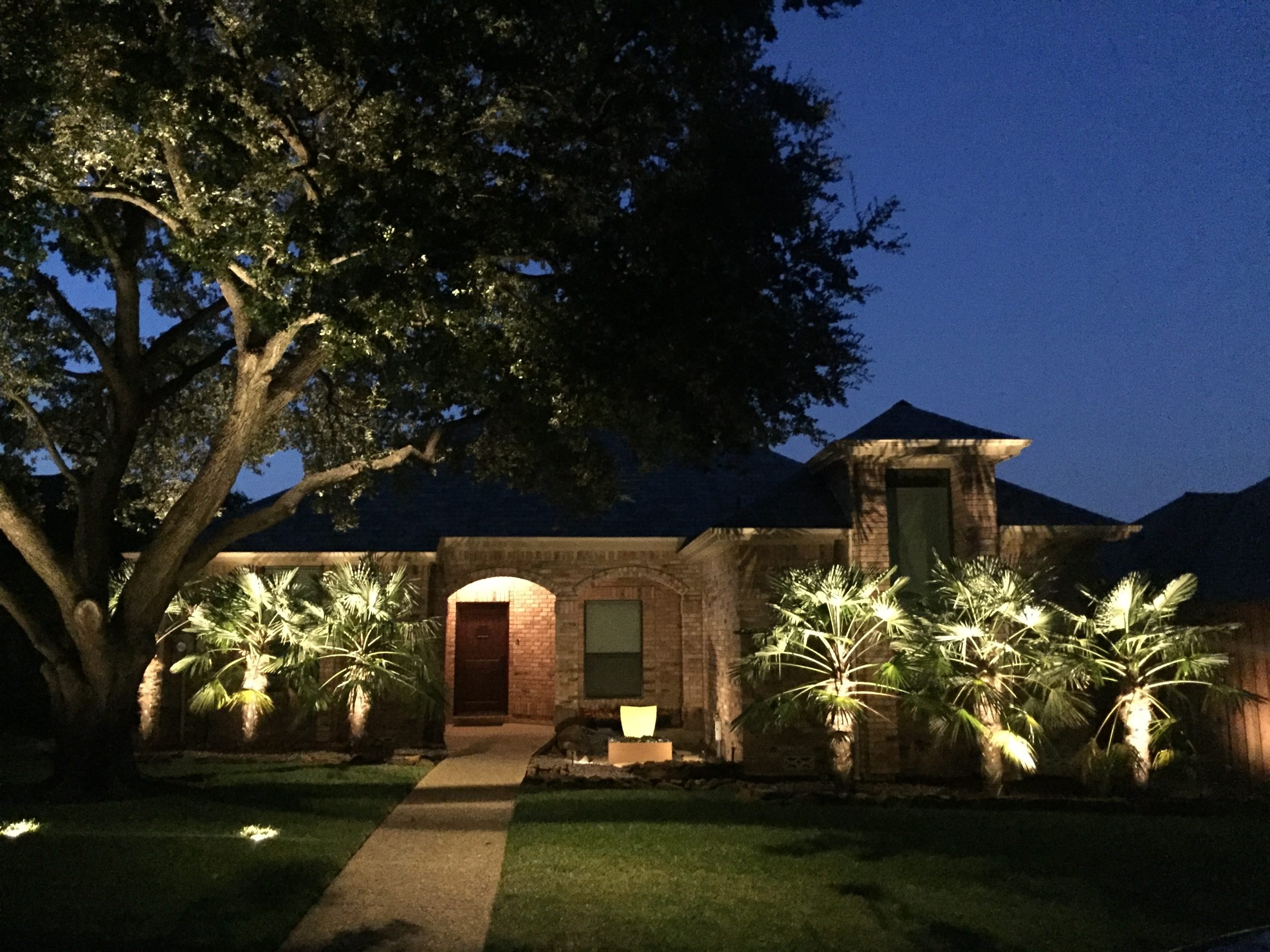
Entry feature lighting in Forest Heights is about more than just a bright porch light. On steep streets with modern homes and hillside entries, the right lighting makes it easier to find the driveway, see the steps, and recognize the front door from the road. Done well, it turns your entry into a focal point that feels calm, safe, and inviting without blasting light across the neighborhood.
Forest Heights has its own personality, with sloped lots, tall trees, and homes that sit above or below the street. That means good lighting has to respect views, neighbors, and the night sky. At CLG Lighting, we design and install outdoor lighting across Oregon, and we pay close attention to dark-sky goals, HOA expectations, and the trickiness of hillsides. In this article, we will walk through how to light modern facades, door hardware, and house numbers in a way that looks intentional, controls glare, and still lets you enjoy the stars.
Designing Entry Feature Lighting in Forest Heights
When we talk about entry feature lighting in Forest Heights, we think of the whole approach, not just the front door. Key areas usually include:
- Approach paths and walkways
- Driveways and steep curb cuts
- Steps and stairways up or down from the street
- House numbers and mailbox areas
- Front doors and side entries
- Garage doors and driveway edges
- Landscape beds that frame the entry
On hillside lots, we like to build layers of light instead of one overpowering source. That might mean gentle path lights, subtle step lighting, and focused accent fixtures near the door. Together, these layers create a clear visual trail that tells guests, “Come this way,” without washing the whole front of the home in harsh light.
We also think about how different Forest Heights homes look. Some have modern lines and big glass, others feel more Northwest contemporary with cedar and stone, and some are more traditional. Each style calls for a different approach to brightness and highlight points. Mature trees can block or reflect light, so aiming and fixture placement matter a lot. Along with that, HOA guidelines and shared goals for dark-sky-friendly lighting shape how much light we use and where we put it so distant valley views and starry skies stay comfortable to enjoy.
Illuminating Modern Facades, Doors, and House Numbers
Modern and Northwest contemporary facades can look amazing after dark, as long as the light is controlled. Instead of splashing light everywhere, we like to graze light up or down across texture, such as stone, cedar, or stucco. This brings out depth and line without glare. On taller homes, narrow-beam fixtures keep the beam tight so light does not leak into second-story bedrooms or neighbor windows.
Front doors need special attention, since they are both the welcome point and a security focus. Good door lighting often includes:
- Small downlights above the door that shine directly on the threshold
- Subtle fixtures near smart locks and handles so you can see the hardware clearly
- Color temperatures that flatter black, bronze, or brushed nickel finishes
When hardware is softly lit, it looks high-end and is easier to use. You can see the lock, keypad, and handle without having a blinding bulb in your eyes.
House numbers are a big deal in Forest Heights, where roads curve and slopes can be steep. Drivers may only have a few seconds to spot your address while heading uphill or downhill. For number lighting, we focus on:
- Aiming the light so numbers are bright from the street side, not just from your walkway
- Making sure the numbers contrast with the siding or background, especially on darker exteriors
- Shielding the light so it does not shine into drivers’ eyes as they crest a hill
A single well-aimed, low-glare fixture can make your home easier to find for guests, deliveries, and emergency services.
Dark-Sky Compliance and Hillside Glare Control
Dark-sky friendly design sounds technical, but the idea is simple: light where you need it, darkness where you do not. In real terms, that usually means:
- Shielded fixtures that hide the light source from direct view
- Warmer color temperatures that feel calm and less harsh
- Lower lumen levels, spread thoughtfully, instead of one overly bright spot
- Aiming beams so they stop at the task area, not in the sky
In Forest Heights, glare control is especially important on hills. An unshielded fixture on a higher home can shine straight into living rooms or bedrooms on a home downhill. A bright uplight can also throw light into the sky and reflect off clouds. We counter that with careful placement, testing at night, and photometric thinking, which is just a careful look at how light spreads and where it stops.
Good fixture choices for dark-sky goals include full-cutoff wall lights that only send light downward, recessed step lights that glow just enough on each tread, and low-glare path lights that focus on the walking surface. For tree-mounted accents, we use tight aiming with shrouds so you get a soft moonlight effect on paths or plantings without visible bulbs or stray beams.
Permanent Architectural and Seasonal Entry Lighting
Permanent architectural lighting is a smart option for Forest Heights entries because it works year-round and can change with your needs. Instead of hanging temporary string lights or clips on a steep ladder every season, permanent systems are built in to highlight rooflines, columns, and key features all the time.
With programmable controls, it is easy to shift from warm, subtle light for everyday use to something more playful for special occasions. You might keep your entry in a soft white most nights, then add gentle color accents for holidays, game days, or family celebrations. The key is to keep brightness controlled so it remains neighbor-friendly and in line with dark-sky thinking.
Oregon’s wet seasons also matter. Permanent systems we work with focus on:
- Weather-resistant fixtures and housings
- Wiring and connections designed for wet locations
- Smart controls that can automatically adjust to longer winter nights and brighter summer evenings
That way, your entry always feels intentional, without constant ladder work or bulb changes.
Planning Your Forest Heights Entry Lighting Upgrade
A good first step is to walk your entry after dark and look at it the way a guest or delivery driver would. Ask yourself a few simple questions:
- Can you see each step clearly without harsh shadows?
- Are house numbers readable from the street in both directions?
- Does any current fixture cause glare in your eyes as you walk up?
- Is your porch light too bright compared to the rest of the front of the home?
Noticing these details helps you see where light needs to be added, softened, or redirected. From there, a design-focused approach will line up fixture types, beam angles, and color temperatures with your home’s style, hillside position, and any HOA expectations.
At CLG Lighting, we focus on outdoor and permanent architectural lighting across Oregon, including neighborhoods like Forest Heights. Thoughtfully designed entry feature lighting in Forest Heights can make hillside lots safer, highlight modern facades and door hardware, and keep the night sky comfortable for everyone around you. When every part of the approach feels clear, calm, and coordinated, your home looks like it was meant to be seen that way every single night.
Get Started With Your Project Today
If you are ready to transform your entryway into a welcoming focal point, we can help you plan and install the ideal entry feature lighting in Forest Heights. At CLG Lighting, we listen to your goals, evaluate your space, and recommend solutions that fit both your style and budget. Reach out to our team with your questions or ideas and we will guide you through every step. To schedule a consultation or request a quote, simply contact us today.