
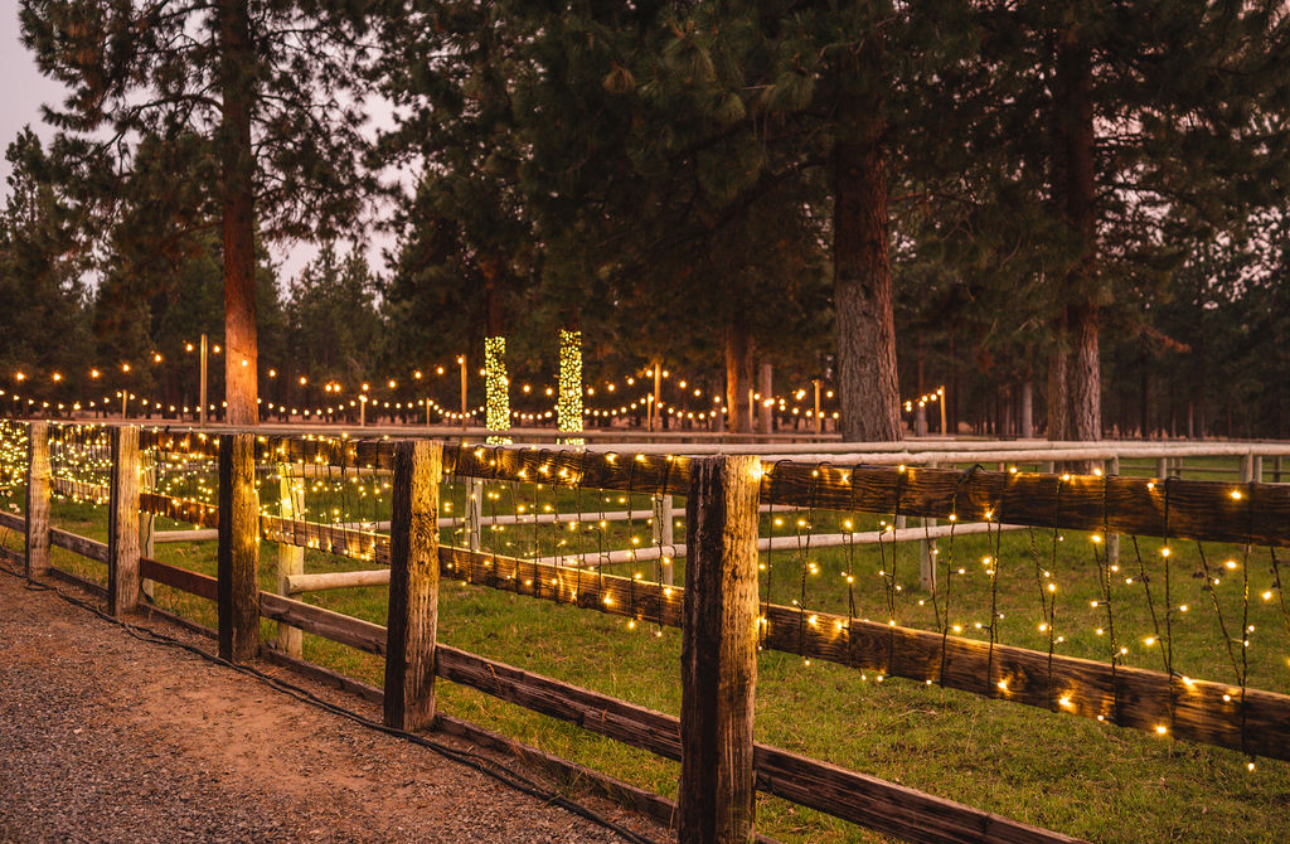
Light Up Your Evenings Without Common Design Regrets
Outdoor lighting design in Eugene should make your yard feel relaxing, safe, and welcoming. When the sun goes down, you want to enjoy dinner on the patio, talk around the fire, or watch kids play without squinting into bright lights or worrying about trips and falls. Good lighting lets you see clearly without feeling like you are sitting under a streetlight.
Many yards end up with harsh glare, big dark gaps, or bright hot spots that pull your eye in all the wrong ways. Tossing a few random fixtures into the ground rarely works, especially in a place like Eugene where tall trees, uneven yards, and wet weather are part of everyday life. Thoughtful planning, the right fixtures, and a design that fits your property all matter.
We are an Oregon-based outdoor lighting company, and we spend a lot of time fixing avoidable mistakes. Our focus is architectural-grade landscape lighting and permanent architectural lighting that looks good, holds up in our climate, and makes your yard a place you actually want to be at night.
Over-Lighting and Glare That Ruin Nighttime Comfort
One of the biggest mistakes we see is treating outdoor lighting like stadium lighting. Many people think brighter means better. In reality, too much light can wash out your plants, flatten textures, and make it harder to see because your eyes never adjust to the dark.
Common glare problems include:
- Bare bulbs shining directly into your eyes
- Floodlights pointed straight across patios or decks
- Fixtures aimed at windows or reflective siding
- Lights that spill into neighbors’ windows
Good outdoor lighting design in Eugene starts with the right lumen levels for each area, then adds shielding and proper beam spreads so the light goes where it is needed. For example:
- Path lights with soft, low output that keep the beam on the ground
- Shielded fixtures for decks and seating areas to reduce eye strain
- Narrow beams for tall trees so the light climbs the trunk instead of spraying out
Local conditions make glare even more noticeable. Eugene’s frequent cloud cover and mature tree canopy can bounce light around in unexpected ways, turning one poorly aimed spotlight into a wide glow. That is why a professional design that considers how your yard actually behaves after dark can make such a difference.
Flat, One-Level Lighting That Ignores Your Yard
Another common issue is lighting only at one height. Many yards have a few path lights and maybe a wall-mounted flood by the back door. Everything is lit at ground level, so the whole space feels flat and dull. There is no sense of depth or focus.
To make your yard feel more like a finished outdoor room, it helps to think in layers:
- Uplighting for trees and interesting plants
- Soft downlighting from eaves or higher points
- Accent lighting for garden beds, sculptures, or water features
Uplighting tall trees gives your yard scale and drama, and it draws the eye up instead of keeping everything on the ground. Gentle downlighting from a branch or roofline can mimic moonlight and create a calm glow over a patio or path. Small, focused fixtures can pick out a favorite shrub, rock grouping, or fountain.
Because Eugene yards often have slopes, big evergreens, and mixed plantings, a layered approach also makes the space look good from inside your home. The goal is to frame views from your windows as well as from your seating areas, so you enjoy the lighting whether you are outside or in your living room looking out.
Missing the Chance for Permanent Architectural Lighting
Many homeowners only think about lighting when the holidays roll around. Temporary strings go up, extension cords appear, and then everything gets stuffed back into storage. That can mean a lot of work for something you only enjoy for a short time, and it skips the chance to make your home look great all year.
Permanent architectural lighting gives you:
- A clean, built-in look that follows your roofline or trim
- Year-round lighting that can shift colors for different occasions
- Less clutter, since you are not hanging and removing lights all the time
Color-changing systems are especially helpful. With one setup, you can go from a simple warm white glow for normal nights to fun colors for holidays, game days, or parties. The key is to respect your home’s style. Fixtures should blend into the fascia, soffits, or architectural lines so they nearly disappear in the daytime.
Controls should stay simple as well. If it takes five steps and a manual every time you want to change colors or scenes, you will not use it. Thoughtful placement and easy control options let you enjoy the benefits without the hassle.
Forgetting Safety, Codes, and Oregon’s Wet Weather
Pretty lighting is nice, but if people trip on dark steps or cords, the design has missed the point. Some of the most common safety gaps we see include:
- Unlit or uneven steps
- Dark transitions between the house and yard
- Trip hazards near decks, hot tubs, or play areas
- Glare that actually makes it harder to see where you are walking
On the technical side, outdoor lighting in Eugene has to handle a lot of moisture. Using fixtures or connections that are not rated for outdoor use, or skipping proper drainage, often leads to early failures. Poor wiring practices can cause flickering, shorts, or damage when the ground gets soaked.
Architectural-grade fixtures and permanent systems designed for wet locations are far more likely to last through rainy seasons. When installed correctly, they resist corrosion, keep water out of electrical parts, and need less frequent replacement. That saves time and frustration compared to swapping out worn-out DIY lights every year or two.
Treating Controls and Timers as an Afterthought
Controls are another area where many yards fall short. A single switch inside the back door or an old mechanical timer might turn lights on and off, but it is not flexible and often wastes energy. Lights end up on all night or stay off when you actually need them.
Better control planning can include:
- Dusk-to-dawn sensors so lights come on when it gets dark and off when it brightens
- Smart controls that let you adjust scenes without walking around the property
- Seasonal schedules that match changing daylight hours in Eugene
With the right setup, you can have one scene for summer evenings with more light on the patio and yard, another for quiet weeknights with only key paths and entries lit, and a brighter, cozier scene for stormy winter nights. When controls are built into the design from the start, your system works with your habits instead of fighting them.
Planning Your Eugene Lighting Upgrade the Smart Way
A good first step is simply walking your property at dusk and again after dark. Notice:
- Where glare makes you squint
- Which paths or steps feel risky
- Areas of the yard you never use at night
- Holiday lighting that looks cluttered or messy
From there, think about a cohesive plan instead of adding random fixtures each year. The best outdoor lighting design in Eugene usually blends three pieces: functional landscape lighting for paths and plants, permanent architectural lighting for the home itself, and flexible options for holiday and special event lighting.
By thinking about how all of these parts work together, you get a yard that feels welcoming in July, safe during dark winter evenings, and ready for many seasons of Oregon weather.
Transform Your Evenings With Custom Outdoor Lighting
Ready to highlight your home’s best features and make your yard safer after dark? At CLG Lighting, we create tailored plans for outdoor lighting design in Eugene that fit your property and how you actually use your outdoor spaces. Share your ideas and goals, and we will walk you through options that match your budget and style. To schedule a consultation or ask questions, simply contact us.