
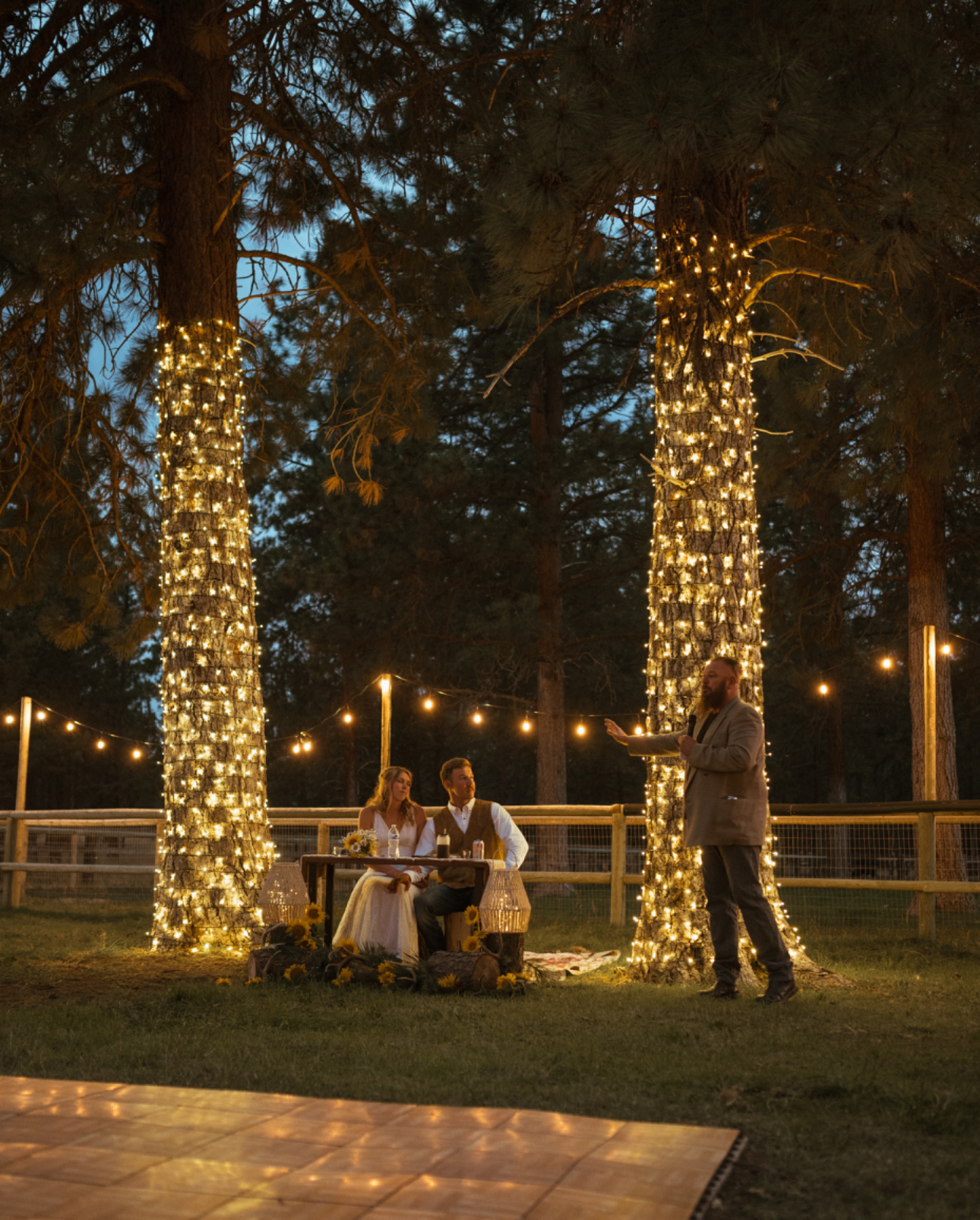
Eugene Backyard Lighting Master Plan
Good backyard lighting is not just about sticking a few lights in the ground and hoping for the best. When you plan it as a full system, you get a yard that feels welcoming, safe, and easy to use any night of the year. That is where a backyard lighting master plan comes in, especially when you want both landscape lighting and permanent lighting to work together.
In Eugene, many of us want to spend more evenings outside, especially on those long, cool summer nights. Without a plan, though, most yards end up with a patchwork of random fixtures and extension cords. By treating your yard like an outdoor room and planning zones, circuits, and control scenes from the start, you get light that fits your real life. As a local team that designs and installs landscape lighting in Eugene, Oregon, as well as permanent architectural lighting, we have seen how powerful that kind of planning can be.
Map Your Backyard Into Smart Lighting Zones
A good master plan starts by breaking your yard into zones. Think of each zone as a mini room, with its own job and mood. Typical backyard zones include:
- Patio and dining
- Cooking and grill area
- Pathways and steps
- Lawn and play space
- Garden beds and trees
- Architectural accents on the house, fence, or structures
Each zone needs something a little different from the lighting. For example:
- Patio and dining: Warm, comfortable light so people can see faces and food without glare
- Grill and cooking: Brighter, focused task light so you can see what you are cooking
- Pathways and steps: Low, even light aimed at the ground for safe walking
- Lawn and play: Softer, wide light that keeps things visible without feeling like a stadium
- Garden and trees: Accent light that creates depth, shadows, and interest
- Architectural accents: Light that gives shape to the house and highlights textures
Brightness and color temperature matter a lot here. The grill zone may use slightly cooler, brighter light so colors of food look true. A cozy fire pit might use lower, warmer light that feels relaxed. A kid-friendly lawn might need gentle, wide-spread light that does not blind anyone running around.
Eugene yards come in all shapes and conditions. Some are compact city lots, where the trick is to keep light from spilling into neighbors’ windows. In that case, we often use:
- Shielded path lights
- Lower mounting heights
- Tighter beam angles aimed away from property lines
On sloped or terraced properties, careful zoning keeps steps and elevation changes safe without washing out the whole hillside. For homes with wooded edges or near natural areas, it is helpful to:
- Aim beams inward, away from trees and sensitive areas
- Use lower brightness levels on the edges
- Avoid bright uplighting where it might disturb wildlife
When zones are mapped well, your yard feels calm, not cluttered, even when many fixtures are involved.
Coordinate Landscape and Permanent Lighting as One System
Many Eugene homes now blend low-voltage landscape fixtures with permanent architectural lighting like roofline lights, soffit lighting, and deck or railing lights. The key is to plan them as one system, not as separate projects.
Permanent lighting can set the structure:
- Roofline lighting outlines the shape of the house
- Soffit lighting washes walls and improves security
- Deck and railing lights keep edges and stairs clear and safe
Landscape lighting then adds depth and interest:
- Spotlights on trees and taller plants
- Wash lights on shrubs and garden beds
- Small path lights to guide feet and wheels
We design with visual hierarchy in mind. That means the house provides a calm, steady base of light, while the yard features become layers on top of it. Your eye naturally moves from the lit house, out to a highlighted tree, then down along a softly lit path.
When permanent and landscape lighting share the same control platform, you gain a lot of flexibility. You can keep most evenings in simple warm white, then switch to special looks for fun nights:
- Duck Game nights with green and yellow on the roofline, while path and tree lights stay warm white
- Holiday color schemes, with permanent roofline colors and subtle garden glows to match
- Special events, where deck and dining zones get brighter while lawn and perimeter lighting stay soft
Because both systems are planned together, colors and brightness levels work as a team instead of clashing.
Plan Circuits and Wiring for Flexibility and Growth
Once you know your zones, the next step is planning circuits and wiring. A circuit is basically a group of lights that turn on, off, or dim together. It also includes how those lights are powered and what controls them.
There are usually two basic types of power in a yard:
- Line-voltage circuits for permanent fixtures like soffit lights
- Low-voltage runs from transformers for most landscape fixtures
We usually group circuits by both zone and purpose so you gain control without making it confusing. For example:
- Entertaining circuit: patio, dining, and deck lights that you can brighten together
- Security circuit: key soffit lights, side-yard, and entry path lights that come on automatically
- Quiet evenings circuit: a few garden accents and soft path lights at a low level
This way, you do not end up blasting the whole yard with light every time you want a calm night outside.
Good planning also makes future growth easier. When we design a system, we think ahead to additions like a spa, outdoor kitchen, or expanded permanent roofline. That can mean:
- Leaving extra capacity in transformers
- Running conduit to likely future areas
- Choosing a control system that can handle more zones later
Planning these details now helps you avoid tearing up finished patios or gardens later just to add a few more lights.
Create Control Scenes for Every Season and Occasion
Once zones and circuits are set, control scenes make your system easy to use. A scene is a preset combination of which lights are on, how bright they are, and what color they show, all saved as a single button or app command.
In Eugene, most homeowners use their yards differently through the year, so we often suggest a handful of everyday scenes, such as:
- Everyday After Work: Patio, pathways, and a couple of tree accents at medium brightness and warm color
- Weekend Entertaining: Patio, dining, deck, and lawn brighter, with more garden accents turned on
- Quiet Nightlight: A few path and soffit lights very low for gentle glow and safety
- Security Mode: Key perimeter and soffit zones on at higher brightness, especially around doors and gates
- Holiday Glow: Permanent roofline colors with softer accents in the garden and on trees
- Game Day Colors: Roofline and a few focal points in team colors, with the rest in simple warm white
Control can be as simple or advanced as you want: app-based systems, smart home integration, schedules, or motion sensors. The main goal is that everyone in the household can actually use it. That usually means clear naming for zones and scenes, and a simple interface on phones or a wall keypad.
As a local design and installation team, we help match control systems to how your family lives, how tech-comfortable everyone is, and how the property is laid out.
Turn Your Eugene Backyard Plan Into Lighting Reality
A great way to start is to walk your yard at dusk. Notice dark spots, think about where you like to sit, cook, and play, and make a quick sketch of rough zones. Jot down how you would love to use the space on a weekday night, a weekend gathering, and a quiet winter evening. Those notes turn into priorities for zones, circuits, and scenes long before you pick a single fixture.
A professional design-build approach ties all of this together so the lighting is safe, code compliant, and ready for upgrades later. This is especially important on complex properties or when you are combining low-voltage landscape lighting with permanent roofline and soffit systems on the same home. For homeowners interested in well-planned landscape lighting in Eugene, Oregon, a master plan is what turns random lights into a backyard that works beautifully, all year long.
Brighten Your Outdoor Space With a Custom Lighting Plan
If you are ready to highlight your home’s best features and enjoy your yard long after sunset, our team at CLG Lighting is here to help. Explore your options for landscape lighting in Eugene, Oregon and discover how a tailored design can improve safety, curb appeal, and outdoor living. We will walk you through every step, from planning to installation, so your lighting fits your property and your budget. To schedule a consultation or ask questions, simply contact us today.