Choose Fixtures That Can Survive Oregon Weather
Permanent architectural lighting is built to stay up year-round. It is not like seasonal string lights or plastic solar stakes you swap out every few months. These systems are hard-wired, low voltage, and designed to become part of your home or commercial property.
In Oregon, what your fixtures are made of matters as much as where you place them. Rain, UV, freeze and thaw cycles, moss growth, and debris can all eat away at weak metals and thin finishes. When that happens, lights fail early, finishes peel, and your clean design starts to look tired.
We see two big environmental zones across our state. Coastal areas deal with salt air, wind, and heavy storms. Valley and metro areas like the Willamette Valley, Portland suburbs, and some Central Oregon microclimates get long wet seasons, shade, and irrigation spray. Each zone needs a different approach to fixture material and finish.
Smart choices up front can keep outdoor and permanent architectural lighting looking sharp for ten to twenty years or more. Good materials protect your investment, cut down on service visits, and keep your lighting design working the way it should. As a local team focused on landscape lighting installation in Oregon, we pay close attention to these conditions and to local codes when we plan a system.
Understanding Oregon’s Coastal vs. Valley Conditions
Oregon’s coastal properties deal with some of the toughest weather on fixtures. Salt in the air hangs around even on clear days. Wind-driven rain pushes moisture into every crack. Fog and ocean spray leave a fine film of salt and water on any exposed metal. If fixtures are not specified for this, finishes can blister and metal can corrode much faster.
Valley and metro areas have a different pattern. Long stretches of wet weather, morning dew, and shaded planting beds mean fixtures can sit damp for hours every day. Irrigation overspray keeps posts, risers, and path lights wet. There is less salt in the air, but in some Central and Eastern Oregon areas, UV and dust are a bigger concern, along with temperature swings.
These differences affect fixture selection in a big way:
- Coastal homes often need marine grade metals
- Thicker, higher quality powder coats perform better near the ocean
- Sealed housings help block salt and blown sand
- Valley areas can use a wider range of materials, if finishes are good and housing is well built
Common settings change priorities too. Coastal decks and railings may call for stainless or solid brass fixtures with heavy powder coat. Hillside paths that get runoff need fixtures raised on risers with corrosion resistant stakes. Valley gardens under trees might need fixtures that handle constant shade, moss, and irrigation water. Commercial entries see more traffic and impact, so stronger housings and finishes are helpful.
A professional landscape lighting installation in Oregon should always start with an on-site look at climate, exposure, and how water and wind move across the property.
Best Fixture Materials for Long-Lasting Performance
Not all metals behave the same outside. Here are the main options we work with for permanent outdoor and architectural lighting, along with simple pros and cons.
- Solid brass
- Pros: Very corrosion resistant, strong, ages well with patina
- Cons: Heavier, higher initial cost
- Copper
- Pros: Excellent corrosion resistance, develops a classic patina, great near water
- Cons: Color change is not for everyone, can be a higher investment
- Stainless steel (preferably marine grade)
- Pros: Holds up well in coastal zones when specified correctly, sleek look
- Cons: Cheaper grades can tea stain or spot, needs quality control
- Aluminum
- Pros: Lighter weight, budget friendly, good when paired with quality powder coat
- Cons: Bare aluminum can corrode, thin or poor finishes can chip and peel
The key difference is solid materials versus plated or coated base metals. A solid brass or copper body is that same metal all the way through. If the surface gets nicked, you still have the same corrosion resistant metal underneath. With thin plated fixtures, once the outer layer cracks or wears off, the base metal can pit, rust, and fail quickly.
Brass and copper both develop a natural patina. They shift from shiny to darker bronze or green tones over time. For many homes this is a benefit. The fixtures blend nicely with stone, bark, and plants and small scuffs are hidden by the patina. It does mean you should plan for a more organic, aged look rather than a constant bright metal finish.
For commercial properties, high-traffic entries, and waterfront homes, higher grade metals usually pay off. Better metals lead to fewer replacements, less time with fixtures out, and a more consistent look across large systems.
Powder Coats, Paints, and Protective Finishes
Finish work is almost as important as the metal beneath it. Powder coating is our go-to option for painted looks on aluminum and sometimes brass. Powder coat is a dry powder that is baked on, so it bonds tightly and creates a thicker, tougher finish than standard paint.
The prep process matters a lot, especially in coastal and high moisture areas. Multi-step prep might include:
- Sandblasting for better grip
- Chemical cleaning to strip oils and residues
- Primers made for outdoor metal
- Multiple bake cycles for strong curing
When all that is done well, you get a finish that resists chipping, chalking, and early fade.
Texture and color also change performance. Textured coats can hide small dirt spots and light scuffs. Smooth coats can look sleek, but they can show wear earlier. Darker colors are often better at glare control and can blend into bark, stone, or dark siding, while lighter colors can pop more on some homes.
Near the ocean, we suggest heavier, marine grade, or two coat powder systems when painted finishes are desired. In valley neighborhoods with less salt and sand, a high quality single or dual coat finish can still perform well for a long time.
Some basic care tips:
- Gently rinse fixtures now and then with clean water
- Avoid harsh chemicals or strong pressure washing close to fixtures
- Check for chips or cracks, and address them early before corrosion can spread
Designing for Durability in Oregon Landscapes
Good materials and finishes are the first step. Design and installation details are what keep them working in real Oregon weather.
Where you place fixtures and how you aim them can protect housings from constant splash, wet soil, and lawn tools. For example, raising path lights on small risers can keep them out of puddles. Keeping spotlights a bit back from downspouts cuts direct spray. Mounting wall washers above grade and away from constant mulch contact can help housings dry faster.
Installation choices also matter:
- Proper drainage around fixtures
- Strong stakes or risers that resist corrosion
- Junction boxes kept off the lowest, soggiest spots
- Thoughtful routing to avoid irrigation heads
Different fixture types see different exposure. Path lights, step lights, and ground-mounted up-lights often sit closest to water and soil. Soffit and eave lighting, permanent roofline lighting, and some architectural accents can be more protected, but they face more UV and wind. Matching the right metal and finish to the exposure level is a big part of professional layout work.
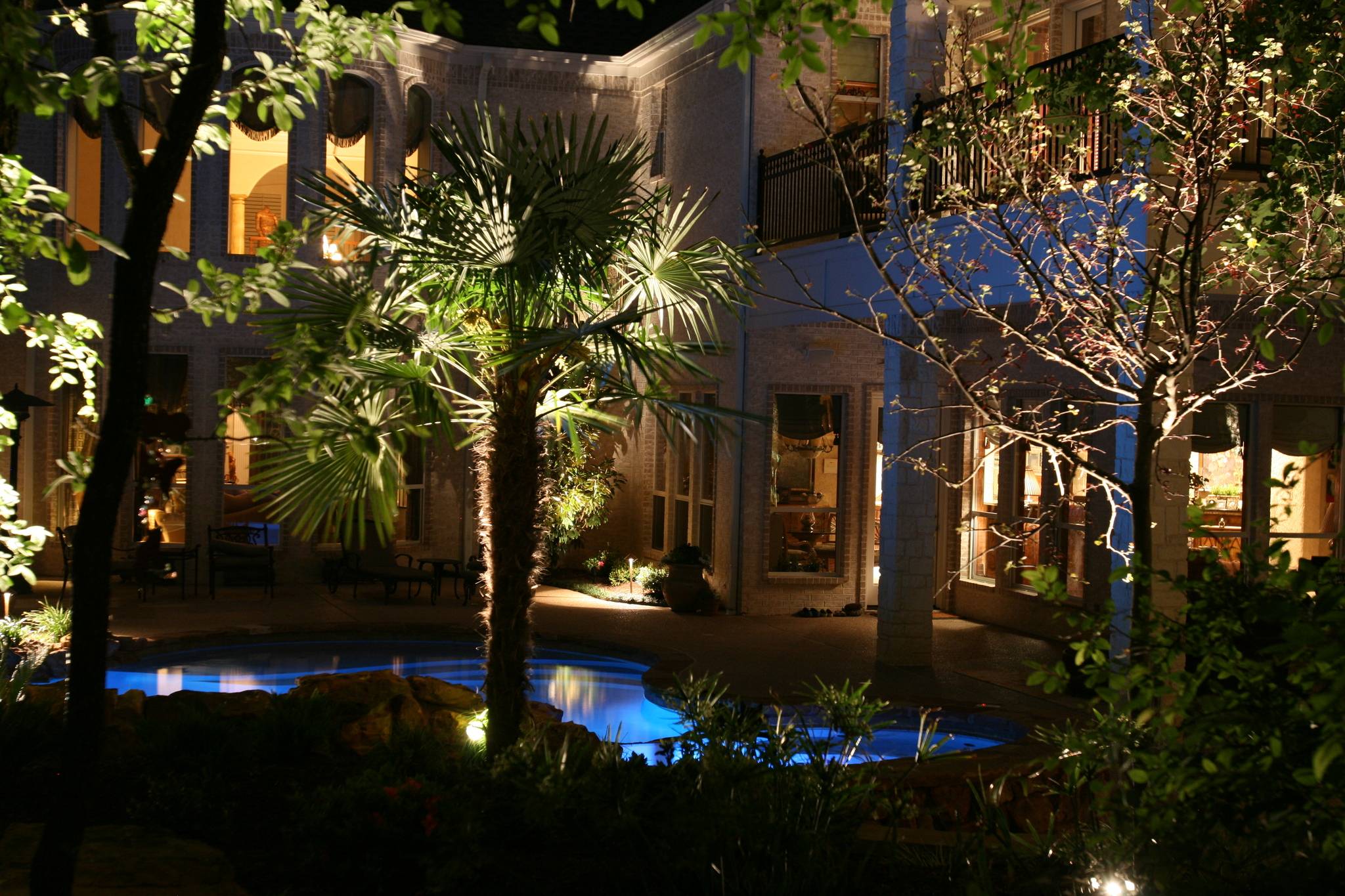
When we plan permanent architectural lighting alongside garden and yard lighting, we like to match finishes and materials so everything feels cohesive. It also makes future expansion easier, since new fixtures can blend in with an existing system. A thoughtful landscape lighting installation in Oregon balances how each fixture looks, how it performs in local weather, and how easy it will be to maintain over time.
Make Your Oregon Lighting Truly Set-and-Forget
Long-lasting lighting in our state comes down to a few smart decisions. Pick the right base metal for your zone, choose a durable powder coat or a patina friendly finish, and tailor your fixtures to coastal or valley conditions. Pair that with a design that keeps housings out of standing water and away from constant impact, and your system is set up to last.
Investing in architectural-grade fixtures once usually costs less over time than buying and replacing low-quality, big-box store lights again and again. With the right materials, finishes, and design, your Oregon home or commercial property can enjoy beautiful, reliable lighting for many years, without constant repairs or early failures.
Get Started With Your Project Today
Transform your outdoor spaces with professional landscape lighting installation in Oregon tailored to your home and lifestyle. At CLG Lighting, we take the time to understand your goals so we can design and install a system that enhances safety, curb appeal, and year-round enjoyment. If you are ready to talk through ideas or schedule a consultation, contact us and we will help you take the next step with confidence.