
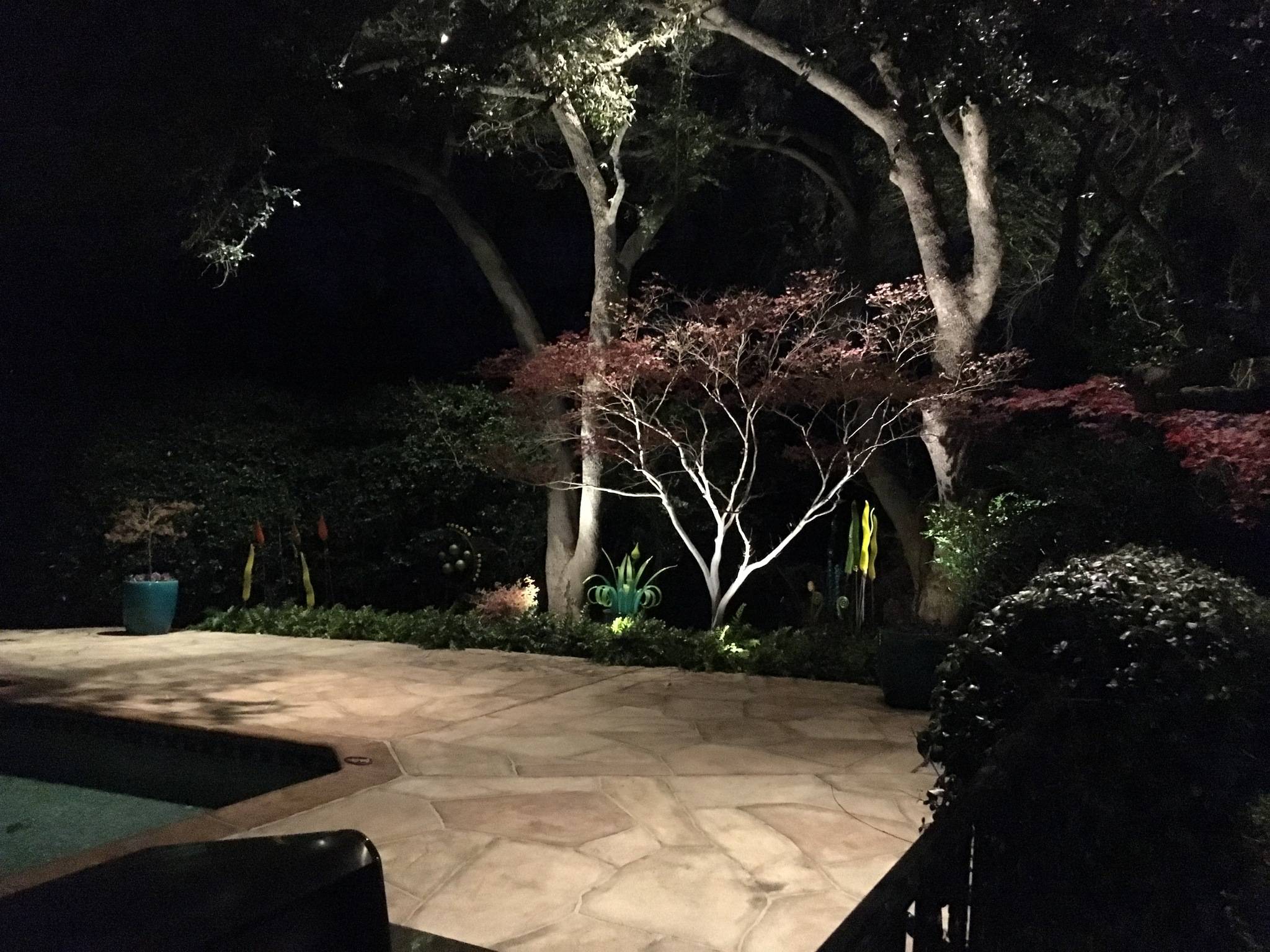
Pathway Lighting in Oregon: Beauty, Safety, and Everyday Comfort
Pathway lighting installation in Oregon is not just about looks; it is about staying safe and comfortable when the sun drops early and the rain sets in. Wet winters, mossy walkways, and busy evenings mean people are often walking to the door, garage, or trash bins in the dark. Good path lighting helps you see where your feet are going, even when the ground is slick or uneven.
With a thoughtful plan, pathway lighting can do a lot at once. It can boost curb appeal, define the route from driveway to front door, and create an easy flow between patios, side yards, and garden spaces. When the lighting ties into the home’s architecture, everything feels calm and inviting, not harsh or flashy. As an Oregon-focused outdoor lighting company, we design, install, and maintain systems so your paths look great and work well in real, everyday weather.
Planning Pathway Lighting for Oregon Homes and Businesses
Oregon conditions shape every pathway lighting plan. In the Willamette Valley, we see:
- Long stretches of rain and damp soil
- Shaded walkways under tall trees
- Sloped driveways and steps that stay slick
- Moss and leaves that hide edges and tripping hazards
Those conditions push us toward durable fixtures, smart placement, and reliable wiring. The first step is being clear about goals. Some paths need gentle wayfinding so guests can see where to walk. Others need stronger light to mark stairs, ramps, or busy commercial routes. Many properties do best with a mix of:
- Wayfinding light along walks and drives
- Architectural light on columns, entry doors, and railings
- Soft ambient light in nearby planting beds
We like to think in layers. Path lights might line the walk, step lights might mark stair treads, and wall wash fixtures can soften big vertical surfaces so eyes adjust naturally. When those layers are balanced, you get a low-glare, welcoming look that works from rainy fall evenings through spring.
Fixture Types That Work Best on Oregon Pathways
For most homes and commercial properties, classic path lights are the starting point. These typically have a hat or mushroom top that throws light down and out, not up into your eyes or the sky. There are also taller bollard styles and sleek, modern fixtures that fit more contemporary designs. The goal is to spread light across the walking surface while keeping glare low and protecting the night sky.
Integrated step and recessed fixtures are key anywhere there is a change in height. Lights in stair risers, retaining walls, and seat walls help you see edges, especially where surfaces can stay wet or mossy. When each step has even, gentle light, people feel confident moving around regardless of the weather.
For more specialized needs, we often use:
- In-grade well lights at the base of walls or trees near paths
- Slim fixtures that tuck into tight planting beds
- Low-profile fixtures that blend into native or drought-tolerant plantings
These options let the lighting support the architecture and planting design, instead of calling attention to the fixtures themselves.
Mounting Methods That Survive Oregon Weather
Mounting is just as important as fixture style, especially in wet soil. In planting beds, stake-mounted fixtures need to be set deep and solid so they do not lean after a few storms. We keep them back from the edge of the walk so feet, garden tools, and snow or leaf removal are less likely to hit them. Spacing matters too. Fixtures placed too close together can cause harsh bright spots, while wider spacing with the right optics gives a smooth, continuous path of light.
On hardscape surfaces like pavers, concrete, or decks, surface-mounted fixtures are often the right choice. We use corrosion-resistant hardware and think about:
- Drainage paths so fixtures do not sit in standing water
- Expansion joints and movement in pavers or decks
- How future cleaning or resurfacing will affect the fixtures
Permanent architectural mounting is another powerful tool. Soffit, fascia, or wall-mounted fixtures can subtly wash light across driveways, front walks, and entry areas all year long. Fixed architectural lighting cuts down on seasonal setup and takedown and can tie into a broader permanent lighting plan for the whole property.
Wiring Options: Low-Voltage, Solar, or Line-Voltage
For most pathway lighting installation in Oregon, low-voltage LED systems are the go-to choice. A 12V system is generally safer in damp soil and around kids and pets, and it is flexible when a property changes over time. Low-voltage runs can cover long distances, and the right transformer and layout help keep brightness consistent from the first fixture to the last.
Solar lights may seem appealing since they do not need trenching or wiring. They can work in open, sunny spots and for short-term needs. But in Oregon, they bring tradeoffs:
- Cloudy winters limit charging
- Shaded yards reduce output
- Light levels can be uneven night to night
Line-voltage, or 120V, still has a place, mainly in commercial sites or very long driveways where existing electrical infrastructure is already in place. These systems require careful planning, proper conduit, and strict code compliance. Because of the higher voltage and wet conditions, they should always be handled by qualified professionals.
Choosing the Right Power Strategy and the Value of Professional Help
Every property is different, so power choices should follow what the site and use call for. A small urban lot with a short front walk often does best with a low-voltage system feeding a handful of path and step lights. A rural acreage with a long drive and outbuildings might need a mix of low-voltage along the main walkways and selected line-voltage circuits in key zones. Shaded sites usually lean away from solar, while wide-open, sunny areas might support a few solar accents, with low-voltage carrying the important safety load.
When people think about long-term performance, low-voltage LED systems usually come out ahead. Professionally managed systems are built for multiple Oregon seasons, so fixtures, connections, and transformers hold up over time. A well-designed plan also leaves room for later additions like garden lighting, deck lighting, or permanent architectural lighting tied into the same core system.
Professional installation matters in our climate. Local codes, GFCI protection, burial depths, and correct transformer sizing all play a role in safety and reliability. Good design also pays attention to beam spread, glare control, fixture materials, and how light will look on wet concrete or gravel. With the right plan and support, your pathways can feel safe, welcoming, and beautiful every night, no matter how early it gets dark.
Get Started With Your Project Today
Transform the look and safety of your outdoor spaces with our professional pathway lighting installation in Oregon. At CLG Lighting, we listen to your goals, recommend the right fixtures, and handle every step of the installation. Whether you are updating an existing layout or starting from scratch, we make the process straightforward and efficient. Have questions or ready to schedule a consultation? Simply contact us and we will help you plan the ideal solution for your property.