
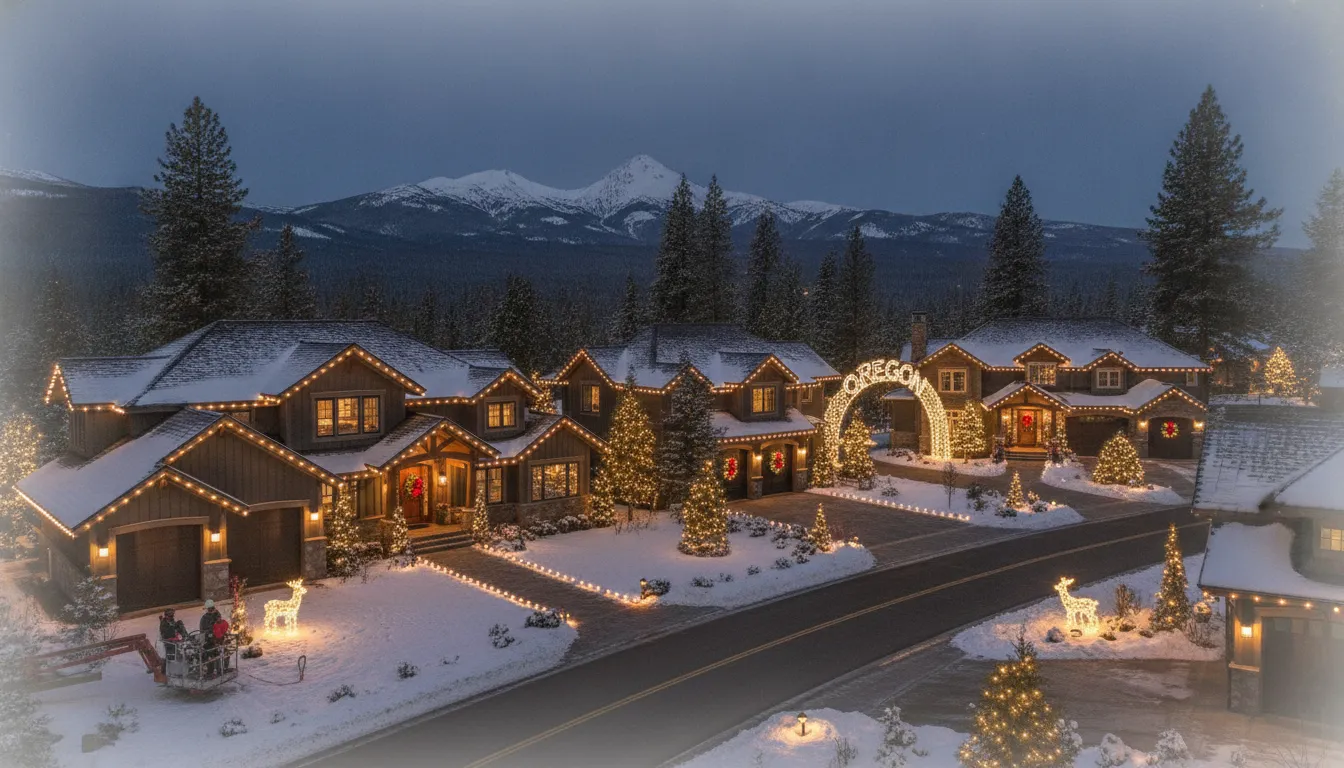
When several properties need holiday displays, the goal is not simply to put lights on every building. You also need to coordinate access, protect busy walkways, work around operating hours, and decide who handles service requests if a display needs attention. Multi-property holiday lighting installation in Oregon gives property owners and managers a way to plan these tasks across locations instead of treating every site as a separate project. With clear contacts, agreed schedules, and designs tailored to each property, seasonal lighting can feel cohesive without looking identical. Learn how to prepare your sites, evaluate providers, and understand what a complete service plan should include.
Key Takeaways
- Prepare details for every property: Gather addresses, site contacts, access rules, operating hours, power information, and design preferences before requesting a quote.
- Plan for the entire season: Confirm whether the service covers site-specific designs, installation, maintenance, takedown, and storage at each location.
- Compare providers carefully: Review commercial experience, safety practices, insurance, communication, and written service terms alongside the quoted price.
What Is Multi-Property Holiday Lighting in Oregon?
Multi-property holiday lighting is a coordinated seasonal lighting project for two or more locations. A provider plans each display, installation, and seasonal service across the properties, so owners and managers can maintain a cohesive look without leaving each site team to organize the work alone.
Coordinate lighting across locations
A coordinated design gives your properties a consistent seasonal style while allowing each display to suit its building, landscape, and entrances. For example, a business can carry the same color palette across locations while adapting the lighting to different rooflines, trees, or walkways.
Start by gathering details for each site, including operating hours, visitor traffic, access restrictions, and available power. Decide who approves the designs and when the lights should be switched on. Sharing this information early helps the installation team plan its visits and avoid disrupting entrances, parking areas, or daily operations. Use a commercial holiday lighting checklist to identify coordination needs before scheduling begins.
Plan design, installation, maintenance, takedown, and storage
A multi-property project involves more than installing lights. Plan for the full season, from site-specific design and installation to maintenance, removal, and storage. Agreeing on these details upfront helps ensure each display fits the property and gives everyone a clear process if a light needs attention or weather affects the setup.
Ask the lighting provider how it tracks details for each location, handles service requests, and labels equipment after removal. A clear storage plan can make next season’s setup easier, particularly when properties have different designs or schedules. This guide to commercial holiday lighting explains why maintenance and storage should be part of the plan from the beginning.
Give property managers and site teams one point of contact
When several locations are involved, one point of contact can make communication simpler. Property managers can share design preferences, schedules, access instructions, and service requests through a single channel instead of coordinating separately with an installer at every site.
Before requesting a plan, collect each property’s address, site contact, operating hours, preferred installation window, and access or parking requirements. Note who can approve the design and who should be contacted if a crew needs assistance on site. Sharing these details early helps the provider prepare a practical schedule and identify questions before work begins. This multi-property planning advice can help managers organize the information each location needs to provide.
Which Properties Benefit From Multi-Property Holiday Lighting?
Multi-property holiday lighting can help businesses and communities create a welcoming seasonal look across several locations. A coordinated plan keeps the overall style connected while allowing each display to suit its building, landscape, and daily activity. It can also give property managers and site teams one provider to coordinate with for planning and service.
Light office buildings, campuses, and business parks
Office buildings, campuses, and business parks often have several entrances, walkways, trees, and shared outdoor spaces to consider. A lighting plan can highlight these features while keeping routes clear for employees, visitors, and deliveries. The provider can also schedule installation around operating hours and site access needs.
For multiple locations, gather each address, preferred lighting dates, operating hours, and any access restrictions before requesting a quote. Sharing these details early helps the installation team plan the work across sites. This commercial holiday lighting guide also recommends reviewing location and scheduling needs ahead of installation.
Decorate shopping centers, retail sites, and mixed-use properties
Shopping centers and retail sites need displays that catch visitors’ attention without blocking entrances, storefronts, parking, or delivery areas. Lighting can draw focus to building outlines, trees, signs, and pedestrian spaces while keeping customer routes easy to use. Mixed-use properties may also need a plan that accounts for both residents and businesses.
These displays may run for long hours and face Oregon’s rain and wind. Outdoor-rated lights and secure installation methods are important considerations for the season. Learn more about commercial holiday lighting needs, including the demands of longer runtimes and weather exposure.
Serve HOAs, apartments, and residential complexes
Apartments and HOAs can use holiday lighting to make shared entrances, paths, courtyards, and common areas feel more inviting. Since residents use these spaces daily, displays should complement the property without blocking walkways, accessible routes, parking, or building access.
These projects may involve property managers, residents, owners, or an HOA board. Agreeing on the design, installation schedule, and service expectations early can help keep decisions clear. A commercial holiday lighting overview notes that several stakeholders may have a say, making communication an important part of planning.
Brighten hospitality and other public-facing properties
Hotels, restaurants, and event venues can use seasonal lighting to create a warm welcome for guests. A thoughtful display might highlight an entrance, patio, walkway, or landscape while keeping customer access and normal operations in mind. For businesses with multiple locations, a shared design style can connect the properties while allowing each display to suit its setting.
Professional installation can also reduce the decorating workload for staff during a busy season. A lighting provider can plan the display and manage installation, so employees don’t have to handle cords or climb ladders themselves. This holiday lighting installation guide explains how professional service can make seasonal decorating less stressful.
How Does a Multi-Site Lighting Project Work?
A multi-site holiday lighting project begins with a plan for each property and one coordinated schedule for the whole group. Your lighting provider will review design goals, access, power, approvals, and operating hours, then organize the work around each location’s needs. Sharing details early helps crews prepare and keeps property teams informed from installation through takedown.
Assess each site’s goals, access, and power
Every property has its own layout and lighting priorities. A retail storefront may need a welcoming roofline display, while an office campus may call for lit entrances, trees, and shared walkways. Walk each site with your lighting provider or share photos and site plans. Identify the areas you want to feature, available outlets, mounting surfaces, parking, and any restricted spaces.
Before requesting a quote, gather the property addresses, preferred activation dates, operating hours, and access requirements. These are useful site details to share when planning commercial lighting. A review of each location helps the crew estimate materials, equipment, and installation time more accurately.
Coordinate approvals, contacts, and schedules
A multi-property project may involve business owners, property managers, tenants, or HOA boards. Decide who approves the design, who arranges site access, and who should receive updates for each address. Naming a lead contact for every property gives the lighting team a clear person to reach if plans change or a site-specific question comes up.
Confirm the display details before installation begins, including which buildings or landscape features to light, when displays should turn on, and how maintenance requests will be handled. Since commercial holiday lighting can involve several stakeholders, a shared contact list and approval process can help keep decisions moving and expectations clear.
Phase work around business hours and visitor access
Installation should fit around customer traffic, tenant schedules, deliveries, and other daily activity. Depending on the property, work may be easiest before opening, after closing, or during quieter hours. Share busy dates and operating schedules early so the crew can plan a sequence that limits disruption across locations.
Plan takedown with the same care. Crews may need access to parking areas or equipment such as ladders and lifts, so confirm timing with each site contact. Scheduling installation and removal outside peak hours can help reduce interruptions. Ask your provider what each property needs to do before the crew arrives.
Install, inspect, maintain, and remove displays at each site
Once the design and schedule are approved, the crew installs the lighting at each property. A site-by-site checklist can help track completed areas, timers, connections, and final inspections. Before work starts, confirm how the provider will report completion and whom to contact if a display goes out or weather affects the installation.
Ask what seasonal maintenance includes and how quickly the team responds to service requests. After the holidays, the provider can remove the displays and, if offered, store them for the next season. Review the service scope for every address so responsibilities are clear. A full-service holiday lighting package may include installation, maintenance, takedown, and storage.
What Should a Commercial Holiday Lighting Service Include?
A commercial holiday lighting service should cover the full season, not just installation day. For businesses and property managers coordinating several Oregon locations, look for a provider that can plan designs for each site, install weather-ready displays, handle maintenance, and arrange removal. Before work begins, confirm what the service includes, who your point of contact will be, and how the crew will coordinate with on-site teams. A clear plan helps keep the displays consistent while accounting for each property’s layout, access, and operating schedule.
Create custom designs for buildings, rooflines, trees, and landscapes
A thoughtful design works with each property’s architecture, landscaping, entrances, and visibility from the street. It might outline a roofline at one location, wrap trees along a walkway at another, or highlight an entry without obscuring signs or access points. For a multi-property project, ask for a plan for each site. Shared colors or design details can tie the locations together while allowing each display to suit its setting.
Ask how the provider assesses each property and shares design options. The team should also identify access needs for elevated areas and flag potential installation or electrical concerns before work starts. This overview of professional holiday light installation describes services such as installation, troubleshooting, and replacing damaged lights.
Tailor a consistent look to each site and brand
When customers, tenants, or employees visit multiple locations, a consistent lighting style can make the properties feel connected. A provider might repeat colors, motifs, or signature display elements, then adjust the layout to fit each building and landscape. The result can feel cohesive without making every site look exactly the same.
Make sure the design also fits how each property operates. Keep lights and cords clear of entrances, accessible routes, signs, and busy pedestrian areas. If locations have different tenants or business types, confirm who approves the design at each site and whether brand or property guidelines apply. Planning for brand consistency, foot traffic, access, and electrical capacity matters across commercial locations, as explained in this guide to commercial Christmas light planning.
Use outdoor-rated lights and secure installation methods
Commercial displays need lights, cords, and connectors suited to outdoor conditions and extended operating hours. Ask the provider which products it uses and whether they are rated for outdoor use. Installation methods should suit each surface, since rooflines, trees, walkways, and landscaped areas call for different approaches.
Securely installed lights are less likely to shift or interfere with visitors and staff. The crew should keep cords clear of high-traffic areas, check connections, and follow appropriate safety practices when working at height. Commercial-grade lighting must handle longer runtimes and greater weather exposure than many residential displays. Ask how the materials and attachment methods will work at your properties. This commercial holiday lighting guide explains why product selection and installation methods deserve attention.
Handle outages, wind, and weather damage during the season
Strong wind, heavy rain, or a failed component can affect a display after installation. Before agreeing to service, ask how to report an outage, who will respond, and what maintenance the package covers. For public-facing properties, timely repairs can help keep displays looking cared for and address loose lights or cords that could create a safety concern.
Clarify whether in-season support applies at every location, which repairs are included, and whether the provider sets a response window. Ask how technicians will access each property and coordinate with site contacts. Oregon weather can change quickly, so find out how the crew protects connections from moisture and checks that strands remain secure. These holiday lighting service details provide examples of weather and safety practices to discuss.
Offer takedown and storage
A complete seasonal service should specify when the displays will come down and how the work will be scheduled. Confirm the removal window for each property, whether crews can work during business hours, and how they will keep entrances, parking areas, and daily operations clear. For several locations, a coordinated schedule helps property managers and site teams plan ahead.
Ask whether the provider stores the lights between seasons and how it labels equipment by property. Organized storage can make the next installation more efficient, especially when each location has a custom design. Check whether takedown includes inspecting equipment and noting repairs or replacements for the following season. Packages may include design help, commercial-grade LEDs, in-season maintenance, removal, and storage. Compare the full service scope, as shown in this Portland holiday lighting service, rather than assuming every provider includes the same features.
Why Hire a Professional for Multiple Properties?
Coordinating holiday lighting across several properties takes more than choosing lights. Each site has its own access needs, operating hours, architecture, and maintenance requirements. A professional provider can plan around those differences, coordinate the work, and give property managers one point of contact throughout the season.
Reduce staff workload and ladder, roof, and electrical risks
Installing lights across multiple properties can pull employees away from their regular work. Rooflines, trees, and outdoor electrical connections also require suitable equipment and experience. Wet surfaces and changing winter conditions can make the work riskier, so staff should not be expected to handle tasks they are not trained or equipped to do. A professional lighting team can assess access needs and plan installation methods for each site.
Before work starts, confirm who will coordinate access, approvals, and communication with building teams. Ask the provider about its safety practices and insurance. Clear responsibilities help reduce staff workload and keep installation questions from disrupting day-to-day operations.
Secure displays and limit operational disruptions
Commercial lighting work needs to account for customers, tenants, employees, and deliveries. Installation and takedown may need to happen before opening, in the evening, or during another agreed-upon window. A professional team can coordinate timing and plan around entrances, parking areas, walkways, and other busy spaces. Commercial installation guidance emphasizes scheduling work to avoid interfering with daily operations.
Share access details, work hours, and restricted areas with the provider before the crew arrives. For multiple properties, ask for a coordinated schedule that accounts for each site. This gives managers time to notify tenants or staff and helps installers complete work with fewer interruptions.
Create a polished, consistent look across locations
A coordinated lighting style can make a group of properties feel connected without making every display identical. Shared colors, lighting styles, or treatments around entrances can tie locations together, while each design still suits its building and landscape.
To guide the design, share brand colors, preferred styles, and the features you want to highlight. Provide details about each property, including its architecture, main entrances, and landscaping. It also helps to share operating hours, access restrictions, and preferred activation dates early. These details support a practical plan and help the provider create a consistent look across locations. Commercial lighting recommendations also encourage sharing site details early in the planning process.
Simplify maintenance with one provider
Lights and attachments may need attention during the season, especially after wind or heavy rain. With one provider serving multiple properties, your team has a central contact for reporting issues, checking repair timing, and coordinating service. A single provider can also help keep maintenance consistent across locations.
Before signing, ask what in-season support includes, how to report an outage, and how quickly the team typically responds. Confirm whether takedown and storage are part of the service. Some full-service lighting packages include installation, removal, and secure storage. Knowing exactly what is covered makes it easier to plan responsibilities and compare proposals.
Understand DIY limits and professional service coverage
A simple, accessible display may be manageable in-house, but commercial properties often have varied surfaces and access needs. One site might have flat roof edges, while another has shingle sections, metal features, a portico, or extensive landscaping. Each surface may call for a different attachment and access plan. Commercial lighting guidance explains why buildings need to be assessed before temporary lights are installed.
Ask the provider how the team will approach each surface and what happens if a display needs repair. Confirm which lights and materials are included, along with takedown and storage responsibilities. These details help you understand the service and compare providers on more than the initial installation price.
What Oregon-Specific Challenges Should You Plan For?
A multi-property holiday lighting project in Oregon involves more than choosing colors and scheduling installation. Weather, building features, site access, and business hours can vary from one property to the next. Plan for each location individually, even if you want a coordinated look across your portfolio.
Prepare for rain, wind, and changing site conditions
Rain and wind can affect installation safety and how securely displays stay in place. Wet ladders, slick walkways, and exposed rooflines require careful planning. Ask your provider how crews assess weather conditions, secure lights, and decide when it is safer to pause work. Before installation, point out areas that collect water or tend to catch strong gusts. Also confirm who to contact if a display becomes loose or stops working during the season. A clear maintenance plan can help address problems promptly and keep paths safe for visitors and staff. This Portland holiday lighting overview discusses weather and site conditions that can affect installations.
Plan for varied buildings, rooflines, and landscapes
Your properties may include retail buildings, apartment complexes, offices, mature trees, fences, or steep rooflines. Each site calls for a layout that suits its features and access needs. Share photos or arrange site visits so the lighting team can assess roof height, attachment points, equipment requirements, and areas that should remain clear. A consistent look across locations does not mean every display must be identical. Repeating colors or design details can tie the properties together while letting each building and landscape shape its own installation. The Portland-area installation overview offers examples of property features that may affect planning.
Confirm power access, parking, site restrictions, and local requirements
Before work begins, confirm where outdoor power is available and whether it can support the planned display. Note restrictions involving outlets, cords, loading areas, parking, roof access, landscaping, or work hours. For managed properties, identify who approves the design and check whether permits or other local requirements apply. Give your provider a site contact, access instructions, and any property-specific safety rules. Sharing these details early helps the team prepare an accurate proposal and reduces the chance of delays on installation day. For multiple locations, commercial installation planning guidance recommends sharing site locations, access restrictions, and preferred activation windows in advance.
Schedule around operating hours, approvals, and seasonal demand
Plan installation and takedown around customers, tenants, deliveries, and daily operations. Decide whether crews can work during business hours or need access early in the morning, in the evening, or at another agreed time. Allow time for design approvals and coordination with each site contact. A phased schedule can help crews move between properties while limiting disruption at each location. Ask how the provider handles weather delays and in-season maintenance visits, too. Installation windows can fill quickly during the holiday season, so confirm dates as early as possible. This commercial holiday lighting guide explains how businesses can schedule work around operating hours and visitor access.
How Do You Choose a Holiday Lighting Company in Oregon?
A well-chosen holiday lighting company can make a multi-property project simpler to plan and manage. Look for a provider that understands commercial sites, communicates clearly with property teams, and explains what happens from design and installation through seasonal maintenance and takedown. These details matter whether you oversee a shopping center, an office campus, a residential community, or several properties across Oregon.
Before requesting proposals, list your locations, preferred installation window, and any site-specific requirements. Consider operating hours, public access, rooflines, power availability, and approval processes. Then ask each company the same questions so you can compare the scope of service, not just the price. A thorough proposal should make it clear who handles design approvals, coordinates with site contacts, responds to maintenance requests, and removes the displays after the season.
It also helps to check whether the company has experience with Oregon’s wet, windy winter conditions and with the kinds of properties you manage. Ask for examples of similar projects, proof of insurance, and written service terms. A provider should be able to explain its safety practices and give you a clear point of contact. Use the checks below to assess whether a company is prepared to care for your properties throughout the season.
Choose a company with commercial and multi-property experience
Commercial installations involve more coordination than decorating a single home. The lighting crew may need to work around tenants, customers, deliveries, security procedures, and busy entrances. Ask whether the company has completed projects at properties similar to yours, such as retail centers, office buildings, HOAs, or campuses. Request examples that show how the team handled site access, foot traffic, and installation deadlines.
For multiple locations, find out how the company will create a consistent look while adapting designs to different buildings and landscapes. Ask who will coordinate site visits, approvals, schedules, and updates. A detailed plan should account for each property’s electrical access and operating hours, along with seasonal deadlines. These are key considerations in this guide to commercial Christmas light installation.
Confirm insurance, applicable licensing, and safety practices
Ask for current proof of insurance and confirm which licenses apply to the work your project requires. Licensing requirements can vary depending on the services and location, so ask the company to clarify what applies to your properties. If the installation involves rooflines, elevated areas, or electrical connections, ask how the crew plans to complete the work safely.
A professional provider should be willing to explain its procedures and share relevant documentation. Ask how workers secure lights, manage cords, protect landscaping, and keep ladders and equipment away from public areas. For sites with customers or residents, ask how the crew will maintain safe access during installation. This holiday installer selection guide also recommends checking insurance, licensing, and safety practices before hiring.
Ask about maintenance response, takedown, and storage
The service should cover more than installation day. Ask what happens if lights go out, a connection comes loose, or wind and rain affect part of a display. Find out how to report a problem, how quickly the company typically responds, and whether maintenance visits are included in the proposal. For commercial properties, a clear response process helps site teams know who to contact and what to expect.
Confirm who will remove the displays and whether the company stores the materials between seasons. Some providers include installation, maintenance, takedown, and storage in one package; others charge separately or leave some tasks to the customer. Ask about storage conditions, fees, and the timeline for removal, then make sure the agreement reflects what you discussed. This overview of holiday lighting services describes how these tasks can fit into a full-service plan.
Review communication, service terms, and customer feedback
Choose a company that makes it easy to get answers and keeps property teams informed. For a multi-site project, ask whether you’ll have one main contact and how the company will share schedule changes or service updates with each location. Read the proposal carefully. It should spell out which properties are covered, what the design and installation include, how maintenance requests are handled, and when takedown will happen. Check for extra fees and confirm that key event dates or opening deadlines appear in writing.
Read customer reviews for details about reliability, workmanship, communication, and service after installation. If commercial or multi-property experience is important, ask for references from clients who manage similar sites. Feedback can help you understand how a company handles both routine work and unexpected issues. The holiday installer guide also highlights customer feedback and clear service terms as useful parts of the hiring decision.
What Affects Multi-Property Lighting Costs and Seasonal Packages?
A multi-property holiday lighting quote reflects more than the number of bulbs. Property size, location, design, access, timing, and seasonal support all affect the work involved. Share details about each site before comparing proposals, then check that the price and service terms cover the same things.
Consider property count, size, and location
The number of properties is a starting point, but each site can require different amounts of planning and labor. A retail storefront, an office campus, and an apartment complex vary in building size, landscaping, and visitor areas. Travel between locations may also affect crew scheduling.
When you request a quote, share each address, approximate property size, preferred installation window, operating hours, and access restrictions. This gives the lighting provider a clearer view of the project and helps them plan work across locations. A commercial installation guide outlines useful details to gather when requesting a multi-site proposal.
Factor in design complexity, display coverage, and access
A roofline-only display usually involves different work than a plan that also lights entrances, trees, walkways, and landscaped areas. Building features matter, too. Flat roof edges, metal sections, porticos, and varied facades may call for different attachment methods and equipment.
Describe which areas you want included at each property, and ask what materials and installation tasks the quote covers. Mention elevated work areas, restricted access, or busy pedestrian routes early. These details can affect labor, equipment, and scheduling. They also help the crew plan a secure installation that limits disruption to visitors and staff.
Account for installation timing and in-season support
Schedules can fill quickly as the holiday season approaches, particularly when several properties need coordinated installation. Booking early gives you more time to confirm designs, approvals, access plans, and dates. Ask when work will be completed at each site and whether crews can work around business hours or events.
Clarify how the provider handles outages and weather damage after installation. Ask how to report an issue, what response time to expect, and whether maintenance visits are included or billed separately. Some providers offer priority scheduling for early bookings, but terms vary. Review the seasonal service details and confirm exactly what your package includes.
Ask about early-booking, returning-customer, and bundled-service offers
Ask whether early-booking rates, returning-customer pricing, or service bundles are available. Repeat customers may pay less when lights have already been measured and fitted to a property, though pricing and eligibility differ. Request a written explanation of any returning-customer rate and what it covers.
If you manage multiple locations, ask whether the provider can prepare one coordinated proposal. Check whether a discount depends on booking by a certain date, using a consistent design, or combining services such as holiday and landscape lighting. A returning-customer pricing example shows why it’s worth asking about repeat installation terms directly.
Compare the full service scope, not just installation price
A lower installation price may leave out design planning, commercial-grade lights, in-season repairs, takedown, or storage. Ask for an itemized proposal that lists the services included for each property. Confirm who supplies the lights, how maintenance requests are handled, and when removal is scheduled.
Compare materials, installation methods, crew experience, and communication along with the price. Professional service can also keep planning and installation off your staff’s task list. This commercial lighting service overview outlines common elements to look for when reviewing a complete proposal.
How Can You Request a Multi-Property Holiday Lighting Quote?
Gather addresses, contacts, access details, and power information
Start with a list of every property you want included in the quote. For each location, provide the street address, a primary contact, and their preferred contact details. Include site information that could affect a visit, such as gate codes, parking rules, loading areas, roof access requirements, and permitted work hours. If you know where outdoor outlets or other power sources are located, note those too.
These details help the lighting team assess each site and plan the work. If some information is not confirmed, mark it as pending so it can be followed up. A commercial installation checklist can help you prepare the details before requesting a quote.
Share design preferences, schedule constraints, and service needs
Describe the look you want across your properties. You may want the same colors and lighting style at every location, or a shared theme adapted to each building. Photos of entrances, rooflines, signs, trees, and landscaped areas give the installer useful context. Point out priority areas, as well as any places where lighting could affect visibility or day-to-day operations.
Share your preferred installation dates, activation window, operating hours, approval process, and blackout dates. Also specify whether you need in-season maintenance, takedown, or storage. Since commercial buildings can have varied rooflines and surfaces, early details help the team plan suitable access and installation methods.
Request one coordinated proposal for your Oregon properties
Ask for one proposal covering all locations, with the services and costs clearly outlined. It should explain what is included for design, installation, maintenance, takedown, and storage, and note any site-specific needs or timelines. Confirm how the provider handles service requests if a display needs attention during the season.
A coordinated proposal can simplify communication for property managers while allowing each location to have a suitable design and schedule. Ask how the provider will share updates, manage approvals, and respond to changes in access or timing. This commercial holiday lighting guide explains how planning can account for a property’s architecture, signage, and high-visibility areas.
Frequently Asked Questions
How far in advance should I plan multi-property holiday lighting?
Start planning early enough to coordinate designs, approvals, site access, and installation dates across all locations. Booking ahead may also give you more scheduling options during the busy season.
Can each property have a different design?
Yes. A provider can use shared colors or design details to create a cohesive look while tailoring each display to the building, landscape, and operating needs of that site.
What information should I gather before requesting a quote?
Prepare each property’s address, site contact, operating hours, access requirements, preferred schedule, and design preferences. Photos or site plans can also help the provider assess the work.
Does a multi-property service usually include repairs and takedown?
Service packages vary. Ask whether the proposal covers in-season maintenance, removal, and storage, and make sure the details apply to every location.
How can lighting be planned for Oregon’s winter weather?
Ask how the provider selects outdoor-rated materials, secures displays, and handles service requests after rain or wind. Share any areas that are especially exposed or prone to standing water.