
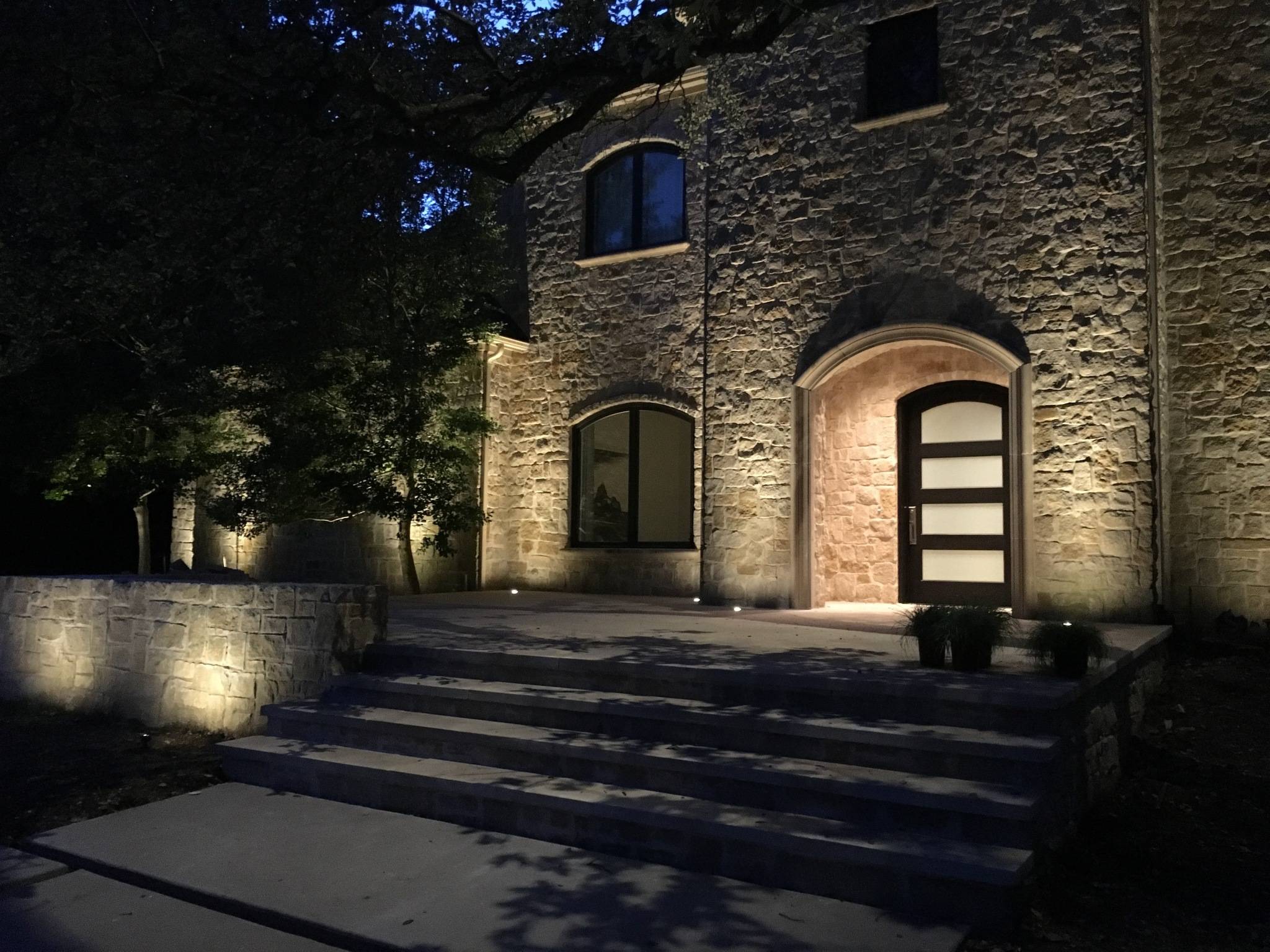
Brighter, Safer Entryways Built for Oregon Weather
Entryway lighting is not just about a single porch light by the front door. Good entry lighting makes it easy to see your steps, unlock your door, read house numbers, and stay dry and steady when the weather turns wet. When it is dark, rainy, and you are juggling bags, that lighting can change the whole feel of coming home.
Entryway task lighting covers all the little jobs around your front approach: lighting the lock, the threshold, steps, railings, side paths, and your address. A basic wall light often throws light in all directions and leaves dark patches right where you need to see. Task lighting is focused and planned, so every surface you walk on is clear and safe.
Across Oregon, we also have some special needs. We deal with frequent rain, mossy and slippery surfaces, long evenings in winter, tall trees casting deep shadows, and neighbors who value dark skies. That mix calls for weather-ready fixtures, smart placement, and careful shielding so light goes where it should and does not wash out the night.
At CLG Lighting, we design and install architectural-grade outdoor lighting across Oregon. We focus on permanent, low-voltage systems that stand up to our weather and respect dark-sky goals, so doors, steps, and house numbers stay safe and welcoming without harsh glare.
Safe Steps and Walkways in the SW Portland Hills
The SW Portland Hills are beautiful, but they are not flat and simple. Many homes have steep driveways, long stair runs, uneven concrete, and roots pushing through edges of paths. Add wet leaves, moss, and deep shade from mature firs and maples, and an unlit entry can feel risky on even a short walk from car to front door.
To make entry lighting in the SW Portland Hills work well, we like to think in layers instead of a single bright fixture. That way, you get a soft, even glow along the whole route, instead of a harsh spotlight at the door and dark gaps everywhere else.
Good layers might include:
- Low-voltage path lights that cast a warm pool of light on walks and driveway edges
- Recessed step lights set into risers or side walls so each tread is clearly visible
- Subtle rail or wall-mounted fixtures that graze the surface instead of blasting light at eye level
- Small accent lights to pick out changes in grade, corners, or low planters by the entry
A few simple design tips help a lot in this area:
- Aim light straight at walking surfaces, not faces or windows
- Choose warm color temperatures, so light feels calm and your eyes adjust more easily in the dark
- Use shielded fixtures and tight beam spreads to keep light low and directed, not spilling across the street
- Keep light levels even from driveway to door, so you never step in and out of deep shadow
The result is a front approach that feels natural to walk, even during a wet winter evening, with every step and edge gently marked instead of blasted with brightness.
Weather-Resistant Fixtures That Stand up to Oregon Storms
Oregon weather is hard on outdoor fixtures. We get steady rain, fine mist, freeze-thaw cycles in the hills, UV exposure on south-facing walls, and in some areas a touch of coastal air. That mix can corrode cheap metals, cloud lenses, and short out poorly sealed fixtures far sooner than most people expect.
When we plan entry lighting, we look for materials and build quality that match those conditions. Good signs to look for include:
- Marine-grade or high-quality metals that resist corrosion
- Durable powder-coated finishes that hold color and protect the metal below
- IP-rated housings that keep out water and fine debris
- Sealed gaskets on doors and joints so moisture does not creep inside
- UL wet-location ratings for fixtures fully exposed to rain
Different parts of your entry often need different fixture types. Around doors and steps, we often work with:
- Recessed LED step lights, set into concrete, stone, or wood to give direct light on treads
- Canopy fixtures tucked under porches or overhangs to light thresholds and locks
- Compact wall sconces that match your architecture and tie in with route and architectural lighting
When these fixtures are part of one low-voltage or permanent system, everything is easier to control. You get consistent color, brightness, and performance around your entry, instead of a patchwork of mismatched lights added over time.
Dark-Sky-Friendly Lighting for Doors and House Numbers
Dark-sky-friendly lighting is about putting light only where you need it. It means keeping glare low, avoiding bright light aimed at the sky, and choosing warmer tones so the night still feels like night. With that in mind, front doors and house numbers are perfect places to use careful, focused light.
We usually look for ways to hide the light source and just reveal the effect. That can include:
- Shielded fixtures that block direct view of the bulb or LED
- Downlights tucked into eaves or soffits to wash the door and lock from above
- Narrow beam spreads that light numbers or plaques without lighting half the front wall
- Mounting angles that keep light off second-story windows and tree canopies
The benefits reach beyond your own front step. Oregon neighborhoods value starry skies and the feeling of a darker, calmer street at night. Dark-sky-friendly designs help keep those views while still making it easy for delivery drivers, visitors, and emergency services to read your address from the road.
This style of lighting also supports local wildlife by reducing light spill into trees and planting beds, where many species rely on natural darkness to feed and move. You still get the safety and function you need at the door, you just get it with more respect for the surroundings.
Permanent Architectural and Holiday Lighting at the Entry
Permanent architectural lighting is a clean way to highlight the best parts of your entry without extra clutter. Instead of seasonal strings that come and go, permanent systems use slim, hidden fixtures or tracks that blend into trim, stonework, and rooflines.
At the entry, this kind of system can:
- Gently wash columns or stone piers beside the front door
- Outline rooflines in a subtle way that frames the entry, not the whole house
- Add depth to textures like cedar, brick, or stone without throwing glare in your eyes
Many permanent systems now include color-changing LEDs and simple controls. That means you can set soft, warm white light for everyday use, then shift to color scenes when you want a holiday feel at the door and porch. The fixtures stay the same, but the look changes with a tap.
Because we also focus on outdoor lighting for the rest of the property, we plan these permanent entry fixtures to work with path and step lighting around them. You can have:
- Linked control of architectural and route lighting
- Dimming for late-night hours so entries stay lit but more gentle
- Pre-set scenes, like a bright “welcome” look for early evening and a calmer “overnight” mode that keeps only key areas on
Good design keeps everything dark-sky-friendly, even when color is involved. The light still stays shielded and directed, only the tone shifts.
Designing Smart Entry Lighting SW Portland Hills Homes Will Love
Creating entry lighting for a SW Portland Hills Home starts with understanding the site. Each house has its own mix of drives, steps, slopes, planting beds, and nearby trees. A smart plan looks at all of that first, so the final layout feels natural and permanent.
A simple design process might include:
- Walking the route from where you park to the main entry and any side doors
- Noting steep spots, trip hazards, and dark gaps that feel uncomfortable
- Reviewing any existing outdoor lighting and seeing how it can be refined or replaced
- Matching fixture styles and finishes to the home’s architecture
From there, smart controls help the system feel almost automatic. Timers, photosensors, and app-based systems can adjust for changing daylight over the year. You can set different modes, such as:
- Everyday: steady path and door lighting during the evening
- Guest: brighter, more welcoming scenes when visitors are expected
- Away: security-focused lighting that looks lived-in while you are on vacation
Because Oregon light changes a lot between seasons, the system can shift start and end times without constant hands-on changes. Your entry stays safe and easy to use whether the sun sets early or late, and you do not have to think about flipping switches.
Get Started With Your Project Today
If you are ready to transform the look and feel of your home’s entry, we can help you plan and install the ideal entry lighting SW Portland Hills homeowners are looking for. At CLG Lighting, we take the time to understand your space, your style, and your budget so the result feels intentional and welcoming. Reach out today to discuss your project and schedule a visit, or contact us with any questions about design options and timelines.