
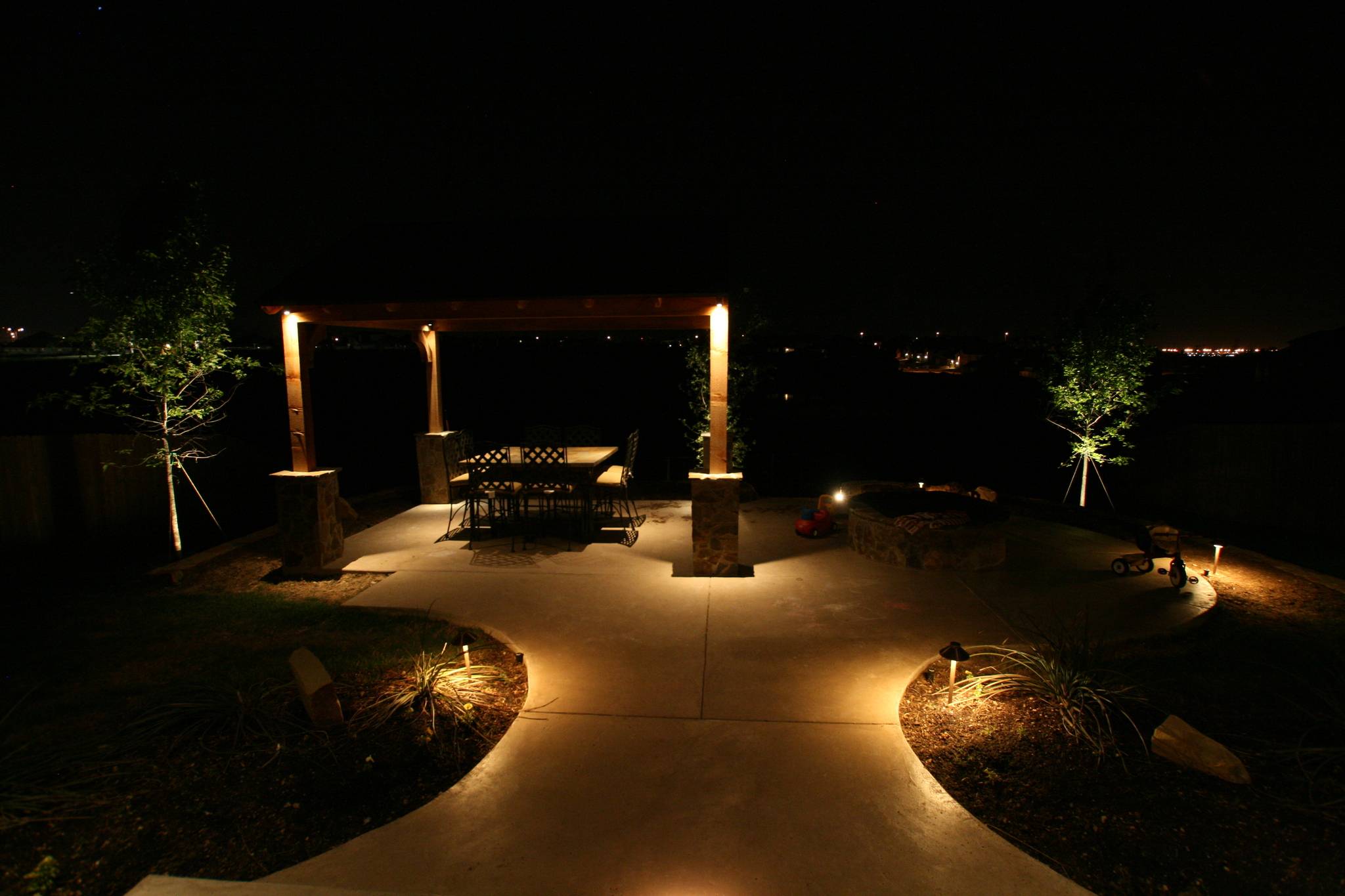
Lighting Pathways for Oregon’s Rainy Season
Pathways get tricky once the rain starts. Wet pavers, slick moss, and early darkness can turn a simple walk to the front door into something stressful. Good pathway lighting makes a huge difference, helping people see where they are stepping and feel more relaxed outside, even when the weather is not friendly.
Across Oregon, we deal with long stretches of drizzle, deep shade from tall trees, and surfaces that never fully dry out. Steps, slopes, and curves can become hard to read at night. Thoughtful lighting brings back comfort and clarity. In this article, we will walk through what rain does to path lights, how to choose better fixtures, and how to design lighting that works with Oregon’s weather instead of fighting it.
How Rainy Weather Changes Your Pathways
Oregon’s rainy season is not just about a few storms. It often means:
- Persistent drizzle that soaks fixtures and wiring
- Moss and algae growing on concrete, stone, and wood
- Early sunsets that leave walkways dark during busy hours
- Puddles that sit in low spots for days
When you mix all of that with darkness, you get slippery steps and hard-to-see edges. People may feel unsure on driveways, garden paths, and shared walkways. For homes, that can worry families and guests. For businesses, it can make customers hesitate as they move from the parking lot to the entrance.
Rain also affects how we see light. Wet surfaces shine and reflect. Puddles can act like mirrors. Fog in some areas softens and spreads the light. Poorly placed fixtures can cause glare instead of helping you see, which makes things worse, not better.
Oregon properties often add their own challenges:
- Sloped or curved driveways where cars and people share space
- Forested lots with roots, needles, and deep shade
- Coastal areas where salt in the air speeds up corrosion
All of this means pathway lighting installation in Oregon needs more thought than simply sticking a few stakes in the ground.
Choosing Fixtures That Can Handle Wet Weather
Not all path lights are built for months of moisture. Cheaper fixtures may look fine on the shelf but struggle once they sit in wet soil and daily rain.
For our climate, it helps to look for architectural-grade fixtures made from better materials, such as:
- Solid brass or other marine-grade metals
- Thick, UV-resistant finishes that do not peel quickly
- Hardware and fasteners that resist rust instead of staining your hardscape
There are also important ratings and design details to pay attention to:
- Wet-location ratings, so fixtures are safe in exposed outdoor areas
- IP ratings that show how well the light is sealed against water and dust
- Gaskets that keep water from slipping into the housing
- Quality glass or lens materials that will not cloud or crack easily
- Coatings and metals chosen to stand up to long-term moisture and, near the coast, salt air
When fixtures are built for this kind of weather, they usually last longer, need less attention, and stay looking better. Professional pathway lighting installation in Oregon also focuses on the hidden parts like cable routes, connection points, and transformer placement so the whole system keeps working through many rainy seasons instead of failing piece by piece.
Designing Pathway Lighting That Works with Rain
Good design is about more than just durability. It is also about how the light actually falls on wet ground. For safety and comfort, we pay close attention to how even the light levels are.
Key ideas include:
- Avoiding long dark gaps between fixtures
- Highlighting grade changes like steps, low retaining walls, or sudden slopes
- Adding extra attention to puddle-prone or mossy areas
- Keeping lights out of spots where they will be regularly kicked, flooded, or hit by cars
To keep glare down on wet surfaces, we focus on:
- Using wider, softer beam spreads instead of tiny bright dots
- Aiming light slightly away from direct eye lines
- Placing fixtures low and shielded so the light hits the path, not people’s eyes
- Selecting comfortable color temperatures that feel warm and clear on gray, rainy evenings
Layout also matters. Some paths look best and work best with staggered fixtures that alternate from side to side. Others, like formal entries, may call for a more symmetrical layout. Step and deck lights can be blended into stairs, retaining walls, or railings to give gentle guidance without adding clutter along the edges.
Often, pathway lighting ties into a larger outdoor lighting plan that might include:
- Subtle lighting on the house to draw the eye toward the door
- Accent lights on key trees or features to help with orientation
- Driveway edges lit to guide both drivers and walkers
When everything works together, the whole space feels calmer, not just the path itself.
Smart Controls, Permanent Lighting, and Long Nights
On dark, stormy evenings, no one wants to fumble with switches. Smart controls take away that hassle. Photosensors can turn lights on at dusk and off again at dawn. Timers can adjust schedules through the year. App-based controls can let you check on your lighting when you are away and make sure paths are not left dark by mistake.
Permanent architectural lighting on the home can support path lights too. A gentle outline of the roofline or key architectural features gives a clear visual target, helping people move from the street or driveway to the front door, even in heavy rain. When the house itself glows softly, the whole property feels more welcoming and easier to read.
LED technology keeps energy use low while still giving bright, clear light. Zoning and dimming options allow different parts of the system to run at different levels. For example:
- Paths and steps can stay brighter for safety
- Accent lighting on plants can be dimmed at late hours
- Front entries can shift slightly depending on how much natural light is left
That flexibility lets you balance comfort, security, and operating costs through the wet season.
Why Professional Installation Matters in Oregon
Wet climates are not kind to shortcuts. Professional installation focuses on details that are easy to miss, such as:
- Correct wiring depth for protection from shovels, roots, and water
- Waterproof connectors that keep moisture from creeping into lines
- Awareness of drainage patterns so fixtures are not sitting in standing water
- Anchoring fixtures so they stay straight in soft, saturated soil
Good planning also looks ahead. Pathway lighting installation in Oregon often needs to allow for future planting, growing trees, or changes to hardscapes. Thoughtful placement and wiring routes give room to adjust and expand later without tearing everything apart.
There are also local rules and best practices to follow. Some Oregon communities have guidelines for shared access paths, driveways, and commercial areas. Glare control, light trespass onto neighbors, and basic code compliance all matter. A professional approach keeps the focus on safety and comfort while respecting the look and feel of the wider area.
When all of this comes together, your pathways stay bright, clear, and welcoming, even on the rainiest nights.
Get Started With Your Project Today
Ready to transform your walkways into safer, more inviting spaces after dark? Our team at CLG Lighting provides expert pathway lighting installation in Oregon tailored to your property’s layout, style, and budget. We will walk you through fixture options, placement, and scheduling so the process stays simple and efficient. Have questions or want to schedule a visit? Just contact us and we will help you get started.