
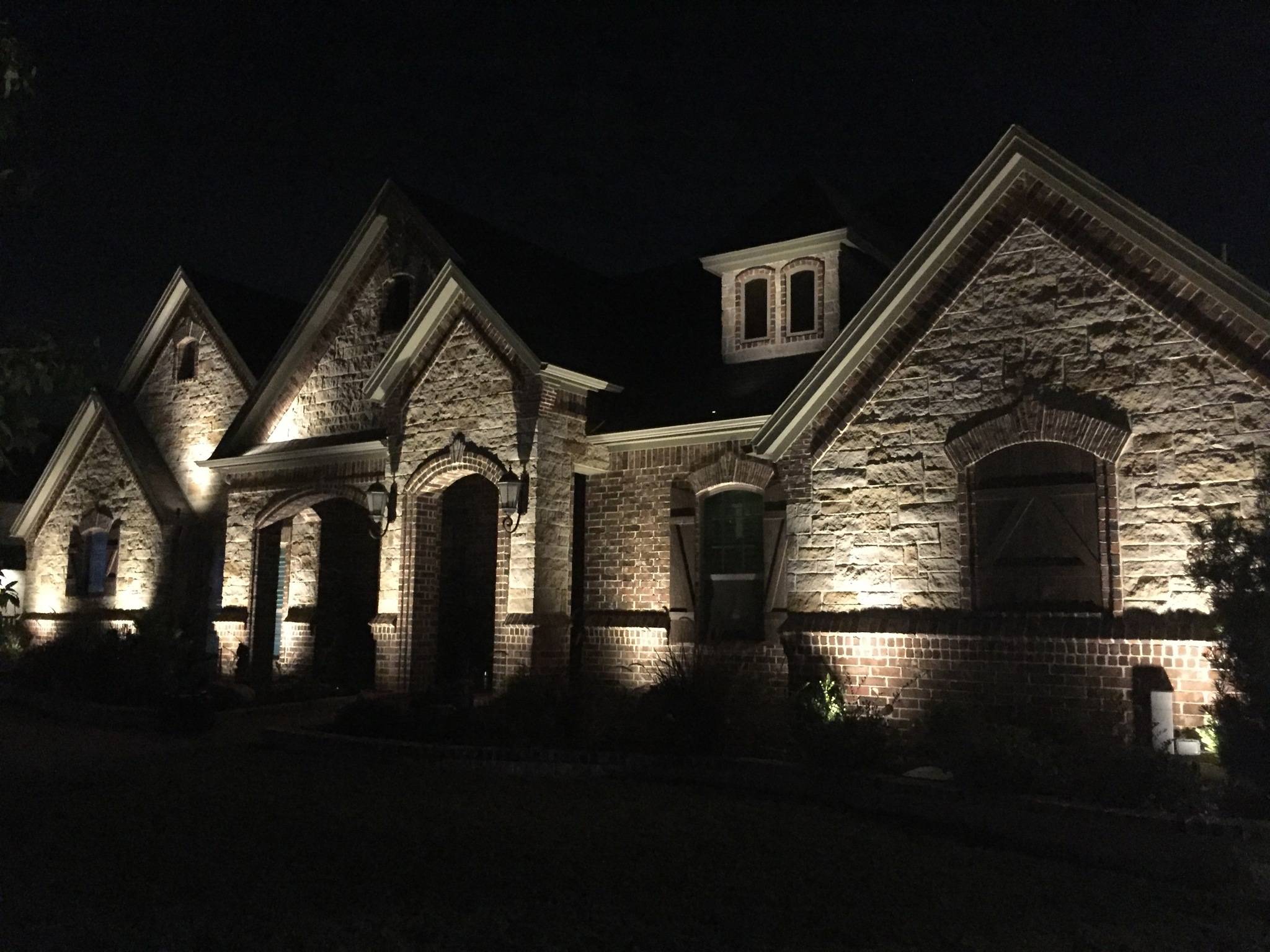
Design a Nightscape That Celebrates Oregon’s Skies
Good outdoor lighting should help you see your home, your steps, and your favorite trees, without washing out the night sky. In the SW Portland Hills, that often means working with tall firs, steep slopes, and a soft city glow in the distance. When permanent lighting is planned well, you can enjoy those views, move safely, and still notice the stars above the treetops.
Dark-sky-friendly nightscape design is about control, not about turning everything down to a faint glow. It focuses light where it is needed, softens harsh brightness, and respects neighbors, wildlife, and sleep. At CLG Lighting, we design and install architectural-grade outdoor and permanent lighting systems that fit Oregon’s terrain, climate, and local expectations, especially for hillside homes.
In this article, we will walk through how to reduce glare and light pollution, use shielding and beam control, choose the right color temperature, and think about permanent lighting installation in SW Portland Hills in a way that keeps your property beautiful and respectful of the night.
Why Dark-Sky-Friendly Lighting Matters in Oregon
When we say dark-sky-friendly, we mean lighting that is controlled and thoughtful. It sends light onto paths, entries, and features, while keeping it out of bedroom windows, off neighboring yards, and out of the sky. It also means choosing light sources that have less blue content, which can be harder on eyes, wildlife, and sleep.
This approach fits Oregon values. Many homeowners love the feel of the West Hills at night, the quiet, and the chance to see constellations between the clouds. Light that is calmer and better aimed supports:
- Star visibility over ridgelines and trees
- Wildlife corridors that run through ravines and greenbelts
- Healthier sleep patterns for people and pets
- A softer, more peaceful nighttime mood
Local communities, HOAs, and cities around the SW Portland Hills and Lake Oswego are paying more attention to light pollution. That often means expectations around fixture shielding, brightness levels, and where light is allowed to spill. Dark-sky-aware design does not mean a dim or unsafe property. It simply trades “more lumens” for better zoning, shielded fixtures, and smart beam control.
Controlling Glare and Light Trespass in Hillside Yards
Glare is one of the fastest ways to ruin a nice night view. It comes in a few forms:
- Disabling glare, when a light is so bright it makes it hard to see anything else
- Discomfort glare, when lights feel harsh or “sting” your eyes
- Light trespass, when light spills into windows, over property lines, or up into the sky
Hillside homes in the SW Portland Hills have special challenges. Elevation changes can send light sideways into a neighbor’s living room or across a canyon. Fixtures that look fine at ground level may be eye-level to someone on the street below.
When we design for these sites, we focus on:
- Downlighting from trees or structures with tight beam spreads to create soft, moonlike effects on patios and paths
- Careful aiming of path and step lights so you see the ground, not the bulb itself
- Using more low-output fixtures instead of a few very bright ones, to create even, comfortable light
We also like to fine-tune after dark. Walking the property at night lets us adjust angles, tilt heads slightly, lower brightness, and confirm that no light is sneaking into windows or out toward the sky.
Shielding, Beam Control, and Smart Fixture Placement
Shielding and optics are the quiet heroes of dark-sky-friendly design. A well-shielded fixture keeps light below the horizon and out of the direct line of sight. Accessories like glare guards, cowls, louvers, and shrouds help hide the source while still lighting the subject.
Beam control is just as important. Narrow beams are great for tall Douglas firs, stone chimneys, and gables. Wider, softer beams fit garden beds, lawn edges, and patios. Choosing the right optic keeps light focused where it belongs instead of splashing over everything around it.
Here are a few practical examples we often use:
- Shielded step lights recessed into risers, so stairs are clearly visible without bright hot spots
- Under-cap wall lights that graze down a wall instead of shining outward into eyes
- Directional fixtures on gables or columns that are tightly aimed to avoid sky glow and street glare
Oregon’s wet climate adds another layer. Permanent systems need solid mounting, sealed connections, and corrosion-resistant fixtures, so aiming and shielding stay as designed. A light that slowly droops or rusts can start sending light in all the wrong directions, so we plan for long-term stability from the start.
Choosing the Right Color Temperature for Oregon Nights
Color temperature, measured in Kelvin (K), changes how light feels. Warmer light has a golden, candle-like tone. Cooler light looks whiter or even bluish. At night, that difference has a big impact on comfort, mood, and wildlife.
For dark-sky-friendly Oregon homes, we typically favor:
- 2200K to 2700K for most landscape and architectural accents, for a soft, firelight feel with less blue content
- 2700K to 3000K in work zones like driveways or outdoor kitchens, where a bit more clarity helps
- Avoiding very cool 4000K and above near bedrooms, forest edges, and wildlife paths
Oregon’s greenery and frequent wet surfaces reflect light strongly. Cooler light on wet pavement or shiny leaves can feel harsh and almost glaring. Warmer tones stay calmer, even when the ground is damp or freshly rained on.
For holiday and seasonal scenes, permanent lighting with warm whites and dimming options works well. You can bring a festive look to eaves, trees, or entry columns without blasting the neighborhood with bright, cool light. Timers and gentle dim levels keep the “wow” while still respecting the night.
Permanent Lighting Design for SW Portland Hills Homes
Permanent lighting installation in SW Portland Hills comes with real-world challenges: long, steep driveways, big grade changes, mature trees, and sweeping views that you do not want to lose at night. Microclimates can be windy and wet on one side of the house and calmer on the other, so fixtures and wiring have to be planned accordingly.
Our design process usually includes:
- Walking the property to read the grades, sightlines, and key focal points like front entries, outdoor rooms, and special trees
- Mapping “light zones” that match how you live, such as arrival, entertaining, quiet seating, and view areas
- Planning for year-round use, from bright spring evenings to darker, rainy months when you rely on your lighting more
Dark-sky ideas fit naturally with permanent systems. With smart controls, we can set:
- Scenes for everyday use, like a warm, modest glow at entries and paths
- Brighter entertaining scenes for gatherings, then a late-night low setting that gently trims most lights
- Dimming schedules or motion activation so areas only ramp up when they are actually used
The result is a permanent, low-maintenance system that supports curb appeal, safety, and a calm nighttime mood, without constant temporary setups or seasonal rewiring.
Local Wildlife, Neighbors, and Holiday Displays
Outdoor light affects more than people. In Oregon yards, owls, bats, songbirds, and night pollinators all share the space. Bright, cool, or unshielded light can disrupt feeding, movement, and rest. Warmer, directed, and dimmable lighting is kinder to these nighttime visitors.
Neighbor-friendly design matters too. We pay attention to property edges and upper floors, shielding fixtures that aim toward fences or windows and keeping late-night brightness soft. Driveways and outdoor rooms can still feel welcoming, just without the “stadium light” effect.
For holiday and seasonal displays, a thoughtful approach can keep things festive and calm at the same time:
- Using accent lighting on key architectural features instead of washing the entire facade
- Relying on timers and controls so festive scenes dim or turn off earlier at night
- Blending holiday colors or scenes with existing permanent zones, so the look is layered, not overwhelming
Permanent lighting installation in SW Portland Hills can even be planned with “holiday-ready” zones, such as color-changing or scene-based groups that still follow dark-sky ideas. That way, your home can shift easily from everyday to special occasions, while your skies stay as dark and beautiful as possible.
Transform Your Home With Smart, Worry-Free Lighting
If you are ready to highlight your home’s best features year-round, our team at CLG Lighting can help you plan and install a customized permanent lighting installation in SW Portland Hills that fits your style and budget. We handle everything from design to clean, efficient installation so you can enjoy beautiful, reliable lighting without the hassle of seasonal setups. Reach out today to discuss your goals and schedule a consultation, or contact us with any questions about your project.